Breakaway Gaps Chart Pattern: Psychology, Trading Strategies, and Risk Management
1. Introduction to Breakaway Gaps
The Breakaway Gap chart pattern is one of the most powerful signals in technical analysis.
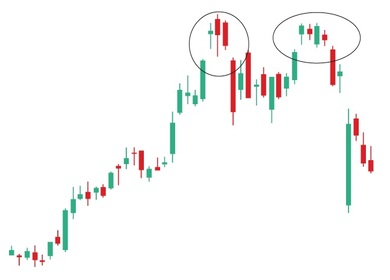
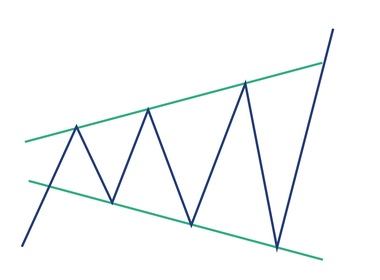
It occurs when price opens significantly higher or lower than the previous close, breaking away from a consolidation zone, range, or chart formation.
Breakaway gaps mark the start of a new trend and are often accompanied by strong volume, reflecting a decisive shift in market sentiment.
2. Anatomy of a Breakaway Gap
- Gap Formation: Price opens sharply above resistance (bullish) or below support (bearish).
- Volume Confirmation: High trading volume validates the move.
- Location: Appears at the beginning of a new trend, often after prolonged consolidation.
- Follow-through: Sustained price action in the direction of the gap confirms reliability.
3. Market Psychology Behind Breakaway Gaps
- Pre-Gap Phase: Traders are indecisive, price moves sideways.
- Catalyst: News, earnings, or macroeconomic events trigger strong buying or selling.
- Gap Reaction: Market participants rush to enter positions, creating a sharp price jump.
- Post-Gap Sentiment: Confidence builds as price escapes the prior range, attracting trend followers.
This reflects investor psychology:
- A shift from uncertainty to conviction.
- Institutional investors accumulate or distribute aggressively.
- Retail traders join late, amplifying momentum.
4. Types of Breakaway Gaps
| Type | Direction | Typical Context | Volume |
|---|---|---|---|
| Bullish Breakaway Gap | Upward | Breakout above resistance | High |
| Bearish Breakaway Gap | Downward | Breakdown below support | High |
5. How to Trade Breakaway Gaps
Entry Strategies
- Confirmation Entry: Enter after a strong close beyond the gap with volume support.
- Retest Entry: Wait for price to retest the gap zone and bounce.
- Aggressive Entry: Enter immediately after gap open with tight stop-loss.
Stop-Loss Placement
- Below the gap for bullish setups.
- Above the gap for bearish setups.
Profit Targets
- Use measured move techniques.
- Project targets using Fibonacci extensions or prior swing highs/lows.
6. Common Mistakes Traders Make
- Trading gaps without volume confirmation.
- Misidentifying continuation gaps as breakaway gaps.
- Entering late after momentum fades.
- Ignoring broader market context.
7. Advanced Trading Strategies
- Gap and Go Strategy: Trade breakaway gaps with momentum indicators like VWAP or MACD.
- Multi-Timeframe Analysis: Confirm breakout on higher timeframes for reliability.
- Volume Profile Integration: Use volume-at-price tools to validate breakout zones.
- Gap Zone Mapping: Identify unfilled gaps as future support/resistance.
8. Breakaway Gaps vs. Other Gap Types
| Feature | Breakaway Gap | Runaway Gap | Exhaustion Gap |
|---|---|---|---|
| Location | Start of trend | Mid-trend | End of trend |
| Psychology | Conviction shift | Momentum continuation | Weakening trend |
| Reliability | High | Moderate | Low |
9. Risk Management in Breakaway Gap Trading
- Always use stop-loss orders.
- Avoid trading gaps without volume or catalyst.
- Adjust position size based on volatility.
- Diversify across instruments and timeframes.
10. Case Studies: Breakaway Gaps in Different Markets
- Stocks: Common after earnings releases or sector news.
- Forex: Appears during macroeconomic announcements or geopolitical shifts.
- Crypto: Seen during exchange listings or regulatory updates.
11. Conclusion
The Breakaway Gap chart pattern is a high-impact signal for trend initiation. By understanding its psychology, validating with volume, and applying structured trading strategies, traders can enter early in powerful moves. Success depends on confirmation, timing, and disciplined risk management.