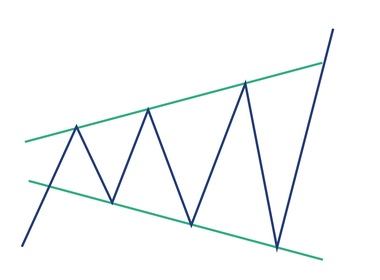
Triple Bottom Chart Pattern: Psychology, Trading Strategies, and Risk Management
1. Introduction to the Triple Bottom Pattern
The Triple Bottom chart pattern is a bullish reversal formation.
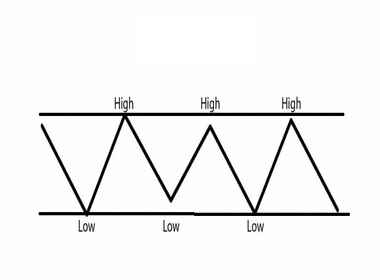
It occurs when price tests a support level three times without breaking below, signaling weakening bearish momentum.
Traders use the triple bottom to anticipate trend reversals, especially after prolonged downtrends.
2. Anatomy of the Triple Bottom
- Support Line: Price bottoms three times at the same level.
- Resistance Line: A horizontal neckline forms above the bottoms.
- Breakout: Confirmation occurs when price breaks above resistance.
- Volume Behavior: Volume often decreases during bottoms and rises during breakout.
3. Market Psychology Behind Triple Bottoms
- First Bottom: Fear dominates, sellers push price lower, but support holds.
- Second Bottom: Bears attempt again, but buyers defend support.
- Third Bottom: Sellers fail once more, signaling exhaustion.
- Breakout: Buyers dominate, triggering reversal.
This reflects investor psychology:
- Repeated defense of support builds confidence.
- Smart money accumulates positions.
- Retail traders join after breakout confirmation.
4. How to Trade the Triple Bottom Pattern
Entry Strategies
- Breakout Entry: Buy when price closes above resistance.
- Retest Entry: Enter after price retests resistance as new support.
- Aggressive Entry: Buy near support during third bottom with tight stop-loss.
Stop-Loss Placement
Below the support line.
Profit Targets
- Measure height of pattern (support to resistance).
- Project upward move equal to that height after breakout.
5. Common Mistakes Traders Make
- Entering before breakout confirmation.
- Misidentifying double bottoms or ranges as triple bottoms.
- Ignoring volume signals.
- Over-leveraging positions.
6. Advanced Trading Strategies
- Indicator Confirmation: Use RSI divergence, MACD crossovers, or moving averages.
- Multi-Timeframe Analysis: Confirm triple bottom on higher timeframes.
- Volume Analysis: Rising volume during breakout validates reversal.
7. Triple Bottom vs. Other Reversal Patterns
| Feature | Triple Bottom | Double Bottom | Inverse Head & Shoulders |
|---|---|---|---|
| Bottoms | Three | Two | Three (middle bottom deeper) |
| Psychology | Repeated defense of support | Two failed attempts | Accumulation phase |
| Reliability | High | Moderate | High |
8. Risk Management in Triple Bottom Trading
- Always use stop-loss orders.
- Avoid trading without volume confirmation.
- Manage position size carefully.
- Diversify trades to reduce exposure.
9. Case Studies: Triple Bottom in Different Markets
- Stocks: Common after prolonged declines in undervalued equities.
- Forex: Appears in currency pairs during support tests.
- Crypto: Frequently seen during speculative sell-offs before sharp rallies.
10. Conclusion
The Triple Bottom chart pattern is a reliable bullish reversal signal. By understanding its psychology and applying disciplined trading strategies, traders can anticipate market turning points. Success requires patience, confirmation, and strict risk management.