Introduction
Trading in financial markets is often compared to navigating a maze. Every trader seeks reliable tools to identify direction, momentum, and potential turning points. Among the many technical indicators available, the Central Pivot Range (CPR) has emerged as one of the most practical and widely used tools for intraday trading. Unlike complex algorithms, CPR is built on simple averages of price data, yet it provides powerful insights into market sentiment, support, and resistance zones.
This guide explores CPR in depth—its calculation, interpretation, strategies, and practical applications. Whether you are a beginner or an experienced trader, understanding CPR can sharpen your decision-making and improve consistency in intraday trades.
What is Central Pivot Range (CPR)?
The Central Pivot Range is a set of three horizontal levels plotted on a price chart. These levels act as dynamic support and resistance zones for the trading day. CPR is derived from the previous period’s high, low, and close prices, making it a forward-looking indicator for the next session.
The three components are:
- Pivot Point (P): The average of high, low, and close.
- Bottom Central Pivot (BC): The average of high and low.
- Top Central Pivot (TC): Derived from the pivot and BC.
Together, these levels form a “range” that traders use to gauge market bias—bullish, bearish, or sideways.
CPR Formula
The calculation is straightforward:
Pivot = (High + Low + Close) ÷ 3
BC = (High + Low) ÷ 2
TC = Pivot + (Pivot − BC)
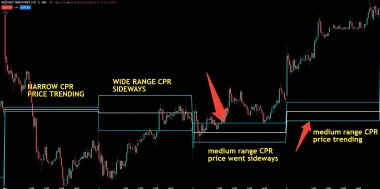
These formulas ensure that CPR adapts to the volatility and price action of the previous session. Narrow ranges indicate consolidation, while wider ranges suggest strong trending moves.
Why CPR Matters in Intraday Trading
- Defines Market Bias: Shows bullish, bearish, or neutral structure.
- Acts as Dynamic Support/Resistance: Adjusts daily with new data.
- Simplifies Strategy: Clear buy/sell setups around key levels.
- Works Across Timeframes: Daily, weekly, and monthly CPR are useful.
Types of CPR Structures
Narrow CPR
- Indicates low volatility or consolidation.
- Often precedes strong trending moves.
- Traders watch for breakouts above TC or below BC.
Wide CPR
- Suggests high volatility in the previous session.
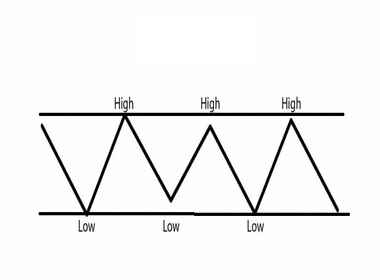
- Market may remain range-bound.
- Pullback trades around CPR levels are common.
Overlapping CPR
- Occurs across consecutive days.
- Signals indecision or sideways markets.
- Range trading strategies work best.
How to Interpret CPR
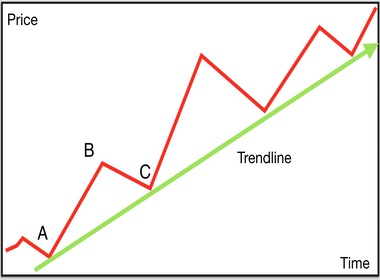
- Bullish Bias: Price above TC.
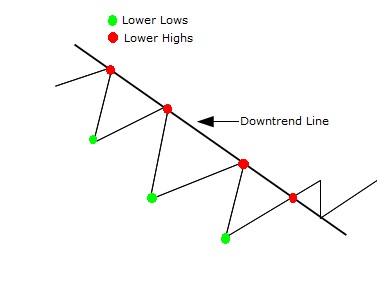
- Bearish Bias: Price below BC.
- Neutral Bias: Price between BC and TC (within CPR).
CPR Trading Strategies
1. Pullback Strategy
- Wait for price to break above TC or below BC.
- Enter on retracement toward CPR.
- Target next support/resistance zone.
2. Range Trading
- Buy near BC with TC as target.
- Sell near TC with BC as target.
- Best suited to sideways markets.
3. Breakout Strategy
- Narrow CPR often precedes breakouts.
- Watch for strong volume.
- Stop-loss typically placed inside CPR.
4. Multi-Timeframe CPR
- Daily CPR for intraday.
- Weekly CPR for swing trading.
- Monthly CPR for positional trades.
CPR vs Traditional Support & Resistance
Traditional support and resistance rely on historical price action and remain static. CPR, however, recalculates daily, reflecting fresh sentiment. For intraday traders, this adaptability offers a clearer roadmap of evolving market dynamics.
Practical Example
Imagine a stock with the following values:
High = 120
Low = 110
Close = 115
Pivot = (120 + 110 + 115) ÷ 3 = 115
BC = (120 + 110) ÷ 2 = 115
TC = 115 + (115 − 115) = 115
Here, CPR levels overlap, indicating a sideways market. Traders should expect range-bound moves and plan accordingly.
Advantages of CPR
- Easy to calculate and interpret.
- Provides clear entry/exit zones.
- Works across asset classes.
- Enhances discipline and reduces guesswork.
- Complements indicators like RSI, MACD, and MAs.
Limitations of CPR
- Does not measure volume or momentum.
- False breakouts possible in volatile markets.
- Requires confirmation from other tools.
Combining CPR with Other Indicators
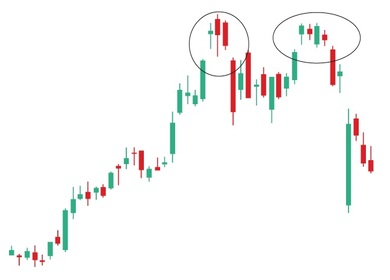
- Candlestick Patterns: Engulfing, hammer, morning star.
- Moving Averages: 20-EMA or 50-EMA.
- Volume Analysis: Breakouts with strong volume.
- Fibonacci Retracements: CPR alignment increases confidence.
CPR in Different Markets
- Equities
- Indices
- Commodities
- Forex
Tips for Beginners
- Practice with paper trading first.
- Focus on liquid instruments.
- Avoid trading during major news events.
- Use strict stop-loss rules.
- Combine CPR with only one or two indicators.
Advanced Insights
- Narrow CPR often precedes trending sessions.
- Back-testing CPR increases confidence.
- Institutions frequently monitor CPR.
- CPR reflects trader psychology and sentiment.
Conclusion
The Central Pivot Range is a simple yet powerful tool for intraday traders. By defining clear support and resistance zones, CPR helps traders identify bias, plan entries, and manage risk effectively. While no indicator guarantees success, CPR provides a structured framework that reduces emotional decision-making and enhances consistency. Combined with candlestick analysis, volume study, and disciplined risk management, CPR can become a cornerstone of your trading strategy.