Comprehensive Guide to the Head and Shoulders Chart Pattern: Psychology, Trading Strategies, and Practical Applications
1. Introduction: Why Chart Patterns Matter in Trading
Technical analysis is built on the idea that price action reflects collective market psychology.
Among reversal patterns, the Head and Shoulders stands out for its reliability and clarity.
Traders worldwide use this formation to anticipate trend reversals, manage risk, and capture profits.
2. What is the Head and Shoulders Chart Pattern?
Definition: A reversal formation signaling the end of an uptrend.
Structure:
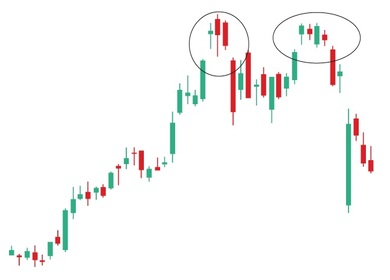
Left Shoulder: Initial peak after a bullish run.
Head: Higher peak, showing exhaustion of buyers.
Right Shoulder: Lower peak, confirming weakening momentum.
Neckline: Support line connecting troughs, critical for breakout confirmation.
3. Market Psychology Behind the Pattern
Left Shoulder: Optimism drives prices higher, but profit-taking causes a pullback.
Head: Bulls push to new highs, but volume weakens—showing reduced conviction.
Right Shoulder: Buyers fail to reach previous highs; sellers gain confidence.
Breakdown: When price breaches the neckline, bearish sentiment dominates.
4. Types of Head and Shoulders Patterns
Standard Head and Shoulders: Signals reversal from bullish to bearish.
Inverse Head and Shoulders: Appears at the bottom of a downtrend, signaling bullish reversal.
Complex Variations: Multiple shoulders or irregular formations, requiring careful analysis.
5. How to Identify the Pattern
Look for three peaks with the middle peak (head) higher than the shoulders.
Confirm with volume analysis: declining volume during the head and right shoulder strengthens validity.
Use trendlines to mark the neckline for breakout confirmation.
6. Trading Strategies for Head and Shoulders
Entry Points
Short Entry: After price breaks below the neckline in a standard pattern.
Long Entry: After price breaks above the neckline in an inverse pattern.
Stop-Loss Placement
Place stops above the right shoulder for bearish trades.
Place stops below the right shoulder for bullish trades.
Profit Targets
Measure the distance from the head to the neckline.
Project this distance downward (standard) or upward (inverse) for target levels.
7. Advanced Techniques
Volume Confirmation: Strong breakout volume validates the signal.
Moving Averages: Use 50-day or 200-day averages to confirm trend reversal.
RSI/MACD Indicators: Look for divergence to strengthen conviction.
8. Common Mistakes Traders Make
Misidentifying random peaks as Head and Shoulders.
Ignoring volume confirmation.
Entering trades before neckline breakout.
Over-leveraging without risk management.
9. Case Studies
Historical Example: Major indices often show Head and Shoulders before market corrections.
Forex Example: Currency pairs like EUR/USD frequently display this pattern during reversals.
Crypto Example: Bitcoin has shown multiple Head and Shoulders formations before sharp declines.
10. Practical Tips for Traders
Always wait for neckline breakout before entering.
Combine with fundamental analysis for stronger conviction.
Use risk-reward ratios to ensure profitability.
Practice on demo accounts before applying real capital.
11. Conclusion
The Head and Shoulders chart pattern is more than a visual formation—it’s a reflection of market psychology. By mastering its identification and applying disciplined strategies, traders can anticipate reversals, manage risk, and enhance profitability.