Comprehensive Guide to Trading Cardamom & Mentha Oil in India: Market Dynamics, Strategies, and Risk Management
Introduction: Why Agri-Commodities Matter in Modern Trading
Agricultural commodities have always been the backbone of India’s economy. While their share in GDP has declined from over 30% decades ago to around 10% today, agriculture remains the largest employer in the country. Among the many commodities traded on the Multi Commodity Exchange (MCX), cardamom and mentha oil stand out due to their unique demand-supply dynamics, cultural relevance, and export potential.
This article provides a complete, SEO-optimized exploration of these two commodities—covering production, consumption, contract specifications, trading strategies, and risk management. Whether you’re a beginner or an experienced trader, this guide will help you understand how to approach these volatile yet rewarding markets.
1) The Role of Monsoons in Agricultural Commodity Trading
- Southwest Monsoon (June–September): Responsible for sowing Kharif crops such as rice, pulses, cotton, and cardamom.
- Northeast Monsoon (December–March): Supports Rabi crops like wheat, mustard, and coriander.
Since nearly two-thirds of India’s arable land is rain-fed, rainfall directly impacts crop yields. Traders must monitor monsoon forecasts, rainfall distribution, and government reports to anticipate price movements in agri-commodities.
2) Cardamom: The “Queen of Spices”
Production and Consumption
- Regions: Primarily grown in Kerala and Karnataka.
- Global Position: India is the second-largest producer but the largest consumer of cardamom. Guatemala leads in production, mainly for exports.
- Uses: Widely used in sweets, beverages, and traditional medicine.
Factors Influencing Cardamom Prices
- Monsoon Quality: Adequate rainfall ensures healthy yields.
- Crop Quality: Flavor, aroma, and size determine market value.
- Pest Attacks: Insect infestations can reduce supply.
- Domestic Demand: Steady due to cultural and culinary importance.
- Global Supply: Guatemala’s export volumes influence international prices.
MCX Contract Specifications for Cardamom
- Lot Size: 100 kg
- Tick Size: ₹0.10
- P&L per Tick: ₹10
- Expiry: 15th of every month
- Margin Requirement: ~10.5% (NRML orders only; no MIS due to volatility)
3) Mentha Oil: India’s Aromatic Export Commodity
Production and Uses
- Source: Extracted from mentha (mint) leaves grown in Uttar Pradesh.
- Applications: Pharmaceuticals, perfumery, flavoring, and food industries.
- Exports: Major destinations include the US, China, and Singapore.
Price Drivers
- USD-INR Exchange Rate: Since mentha oil is export-oriented, currency fluctuations impact profitability.
- Rainfall & Crop Acreage: Weather conditions affect yields.
- Insect Attacks: Crop health directly influences supply.
- Global Demand: Rising demand in pharma and FMCG sectors boosts prices.
MCX Contract Specifications for Mentha Oil
- Lot Size: 360 kg
- Tick Size: ₹0.10
- P&L per Tick: ₹36 (highest among agri contracts)
- Expiry: Last day of the month
- Margin Requirement: ~8.5% (NRML orders only)
4) Trading Strategies for Cardamom & Mentha Oil
1. Seasonal Trading
- Cardamom: Prices rise during festive seasons due to higher consumption.
- Mentha Oil: Export demand peaks in summer months.
2. Technical Analysis
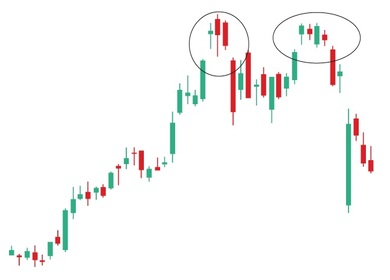
Use candlestick patterns, moving averages (EMA 21, EMA 9), and momentum indicators (ADX, RSI) to identify entry and exit points.
Avoid overcomplicating setups—simple strategies often work best in volatile agri markets.
3. Fundamental Analysis
- Track rainfall reports, government crop data, and international demand.
- Monitor currency fluctuations for mentha oil.
4. Hedging
- Farmers and traders can hedge against falling prices by shorting futures contracts.
- Exporters hedge against currency risks by combining commodity and forex positions.
5) Risks in Agri-Commodity Trading
- Weather Uncertainty: Monsoons are unpredictable, making yields volatile.
- Liquidity Issues: Agri contracts often lack depth compared to metals or energy commodities.
- Regulatory Changes: Government policies on exports, MSP, or subsidies can alter market dynamics.
- High Volatility: Sudden price swings can trigger stop-losses frequently.
6) Case Study: Pepper Futures vs. Cardamom & Mentha Oil
Pepper futures once attracted traders but suffered from extreme volatility and liquidity issues. Cardamom and mentha oil, while volatile, offer relatively better liquidity and global relevance. Traders who understand seasonal cycles and demand-supply factors can benefit from these markets.
7) Global Perspective
- Cardamom: Guatemala’s exports dominate international supply, but India’s domestic demand stabilizes prices.
- Mentha Oil: India is the largest producer, making it a price setter in global markets.
8) Practical Tips for Traders
- Always trade current month contracts for better liquidity.
- Avoid MIS (intraday margin) orders in agri commodities due to volatility.
- Use NRML orders even for intraday trades.
- Keep track of government crop reports and export data.
- Backtest strategies before live trading.
9) Key Takeaways
- Agriculture contributes ~10% to India’s GDP but remains the largest employer.
- Cardamom and mentha oil are among the most liquid agri commodities on MCX.
- Monsoons, crop quality, and global demand are critical price drivers.
- Technical and fundamental analysis must be combined for effective trading.
- Risk management is essential due to high volatility and liquidity constraints.
Conclusion: The Future of Cardamom & Mentha Oil Trading
Cardamom and mentha oil represent the intersection of tradition and modern trading. While deeply rooted in India’s agricultural heritage, they are also globally relevant commodities. Traders who master seasonal cycles, monitor rainfall, and apply disciplined strategies can unlock significant opportunities in these markets.
With rising global demand for natural flavors and essential oils, mentha oil is poised for long-term growth. Similarly, cardamom’s cultural importance ensures steady domestic consumption. Together, they form a compelling segment for traders seeking diversification beyond metals and energy.