Core Assumptions of Technical Analysis: Explained for Beginners
Introduction
Technical Analysis (TA) is one of the most widely used methods in trading. But before applying it, every trader must understand the core assumptions that make TA work. These assumptions explain why price charts and patterns can be trusted to guide decisions.
In this article, we’ll break down the main assumptions, show how they apply in real trading, clear up common misconceptions, and give practical tips for beginners.
Assumption 1: Price Discounts Everything
The first and most important belief in TA is that all information is already reflected in the price.
- Company earnings, news, management changes, global events — everything is factored into the market price.
- Traders don’t need to study every detail; they just need to study the price chart.
- Price is the final outcome of all buying and selling activity.
Example
If a company announces strong results, the price usually rises quickly. By the time you read the news, the chart has already shown the move. TA assumes that the chart is the most direct reflection of reality.
Assumption 2: History Repeats Itself
Markets are driven by human behavior, and human behavior tends to repeat.
- Traders often react in similar ways to similar situations.
- This creates patterns in charts that repeat over time.
- By recognizing these patterns, traders can predict future moves.
Example
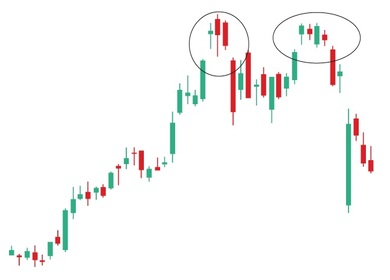
A “double top” pattern often signals a reversal. Why? Because traders who saw the price fail twice at the same level expect it to fall. This expectation itself makes the pattern reliable.
Assumption 3: Prices Move in Trends
TA assumes that prices don’t move randomly; they move in trends.
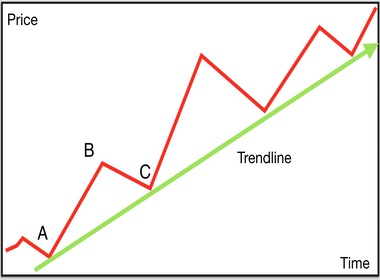
- Uptrend: Higher highs and higher lows.
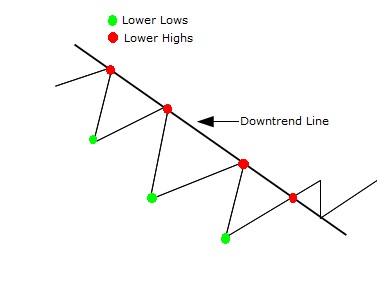
- Downtrend: Lower highs and lower lows.
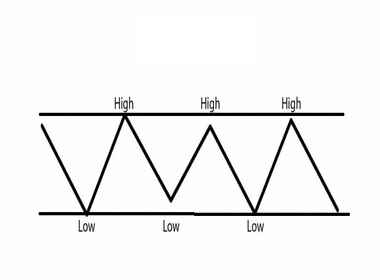
- Sideways: Price moves within a range.
Example
If a stock is in a strong uptrend, TA suggests buying on dips instead of trying to predict when it will fall.
Assumption 4: Market Psychology Matters
Charts are not just numbers; they reflect trader emotions.
- Fear, greed, hope, and panic drive decisions.
- These emotions create recognizable patterns.
- TA helps decode this psychology through chart analysis.
Example
During a panic sell-off, prices drop sharply. But once fear settles, prices often bounce back. TA patterns like “oversold RSI” capture this behavior.
Misconceptions About Assumptions
- “Charts predict the future with certainty.” → Wrong. Charts only increase probability.
- “Trends last forever.” → False. Trends eventually reverse.
- “Patterns always work.” → Not true. Patterns fail sometimes, which is why risk management is key.
Practical Tips for Beginners
- Trust the chart, not the news. Price reflects news faster than headlines.
- Learn common patterns. Start with basics like support, resistance, and trendlines.
- Don’t expect perfection. TA improves odds, but losses are part of trading.
- Combine with risk management. Always use stop-loss orders.
- Practice regularly. The more charts you study, the better you’ll spot patterns.
Key Takeaways
- TA is built on four main assumptions: price discounts everything, history repeats, prices move in trends, and psychology drives markets.
- These assumptions explain why charts and patterns are useful.
- Misconceptions can mislead beginners, so realistic expectations are essential.
- Success comes from practice, discipline, and risk management.
Conclusion
Understanding the core assumptions of Technical Analysis is the first step toward becoming a confident trader. These beliefs form the foundation of chart reading and pattern recognition.
While TA doesn’t guarantee profits, it gives traders a structured way to analyze markets and improve decision-making.