Cross Currency Pairs Explained: A Complete Guide to Trading Beyond USD-INR
1. Introduction: Why Cross Currency Pairs Matter in Global Forex
Foreign exchange (Forex) is the largest financial market in the world, with trillions of dollars traded daily. While many traders in India are familiar with USD-INR, the global market thrives on cross currency pairs such as EUR/USD, GBP/USD, and USD/JPY. These pairs dominate international trading volumes and provide opportunities for diversification, hedging, and speculation.
2. What Are Cross Currency Pairs?
Definition: A cross currency pair is a forex pair that does not involve the domestic currency (INR for Indian traders). Instead, it represents the exchange rate between two foreign currencies.
Examples:
- EUR/USD (Euro vs US Dollar)
- GBP/USD (British Pound vs US Dollar)
- USD/JPY (US Dollar vs Japanese Yen)
Base vs Quote Currency:
- The base currency is the first currency in the pair.
- The quote currency is the second currency, used to value the base.
Example: EUR/USD = 1.2345 means 1 Euro = 1.2345 US Dollars.
3. Why Cross Currency Pairs Dominate Global Forex
According to the Bank for International Settlements (BIS), nearly 88% of forex trades involve the US Dollar. Among these, EUR/USD, GBP/USD, and USD/JPY account for more than half of daily transactions.
Key Reasons:
- Liquidity: These pairs are heavily traded, ensuring tight spreads and minimal slippage.
- Global Relevance: They represent major economies—Europe, UK, US, and Japan.
- Volatility: High trading volumes create frequent price movements, ideal for short-term traders.
4. Cross Currency Trading in India: Regulatory Landscape
For years, Indian traders had limited access to cross currency pairs. Trading often required offshore brokers, raising concerns about legality and safety. Today, the National Stock Exchange (NSE) allows regulated trading in select cross currency futures and options.
✅ Permitted Pairs on NSE:
- EUR/USD
- GBP/USD
- USD/JPY
⚖️ RBI & SEBI Regulations:
- All trades must be routed through regulated Indian exchanges.
- Profit and loss (P&L) is settled in INR using RBI reference rates.
- Offshore forex brokers offering leverage are not legal in India.
5. Contract Specifications for Cross Currency Futures
Cross currency futures on NSE are standardized to ensure transparency and ease of trading.
Lot Size:
- EUR/USD → 1000 Euros
- GBP/USD → 1000 Pounds
- USD/JPY → 1000 US Dollars
Tick Size:
- EUR/USD & GBP/USD → 0.0001
- USD/JPY → 0.01
Expiry:
Near-month contracts expire two days before the last trading day of the month.
Settlement:
- Daily mark-to-market (MTM) settlement in INR.
- Final settlement based on RBI reference rates.
6. How Profit and Loss Is Calculated
Unlike INR pairs, P&L in cross currency contracts is shown in the quote currency and then converted to INR.
Example:
Buy 1 lot of EUR/USD at 1.2400.
Sell at 1.2450.
Profit = 0.0050 × 1000 = 5 USD.
Converted to INR using RBI’s USD-INR reference rate (say ₹83/USD).
Final Profit = ₹415.
7. Options on Cross Currency Pairs
NSE also offers European-style options on cross currency pairs.
Contract Cycle: 3 monthly + 3 quarterly contracts.
Strikes Available: 25 strikes (12 ITM, 12 OTM, 1 ATM).
Premium Quotation: In USD for EUR/USD & GBP/USD, in JPY for USD/JPY.
Options allow traders to hedge positions or speculate with limited risk.
8. Margins and Risk Management
Initial Margin: 2% of contract value.
Extreme Loss Margin: 1%.
Calendar Spreads: Reduced margin requirements when hedging across expiries.
Risk management is crucial since cross currency pairs can be volatile due to global events like central bank decisions, geopolitical tensions, or macroeconomic data releases.
9. Factors Influencing Cross Currency Movements
- Interest Rate Differentials: Central bank policies (Fed, ECB, BoE, BoJ).
- Economic Indicators: GDP growth, inflation, employment data.
- Political Events: Brexit, US elections, EU policy changes.
- Global Trade Flows: Import/export balances between major economies.
- Risk Sentiment: Safe-haven demand for USD or JPY during crises.
10. Trading Strategies for Cross Currency Pairs
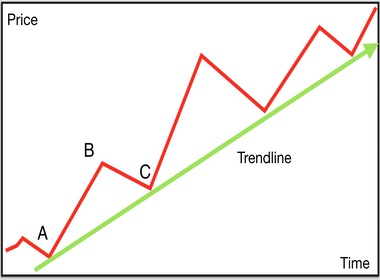
- Trend Following
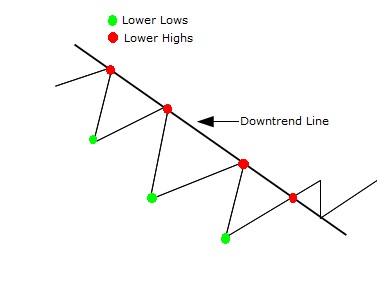
Use moving averages to capture long-term trends in EUR/USD or GBP/USD. - Breakout Trading
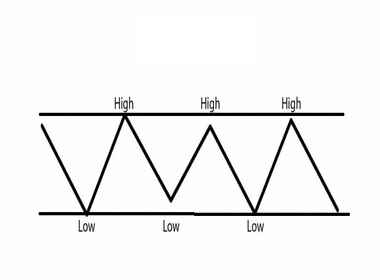
Identify consolidation zones and trade breakouts during high volatility events. - Carry Trade
Exploit interest rate differentials between currencies. - Hedging
Corporates hedge exposure to foreign revenues using futures contracts.
11. Cross Currency vs INR Pairs: Key Differences
| Feature | INR Pairs | Cross Currency Pairs |
|---|---|---|
| Base Currency | INR | EUR, GBP, USD |
| Liquidity | Moderate | High |
| Settlement | INR | INR (converted from quote currency) |
| Volatility | Lower | Higher |
| Global Relevance | Limited | Strong |
12. Practical Tips for Indian Traders
- Always check RBI reference rates before settlement.
- Avoid offshore brokers offering high leverage—they are not legal.
- Start with futures before exploring options.
- Use stop-loss orders to manage volatility.
- Track global economic calendars for major announcements.
13. Future of Cross Currency Trading in India
As awareness grows, NSE’s cross currency segment is expected to attract more liquidity. With increasing globalization, Indian traders and corporates will rely on these instruments for hedging and speculation.
The challenge remains in educating retail traders about risks and ensuring compliance with RBI/SEBI regulations. Over time, more pairs may be introduced, expanding opportunities beyond EUR/USD, GBP/USD, and USD/JPY.
14. Conclusion
Cross currency pairs open the door to global forex trading for Indian investors. They provide exposure to major economies, high liquidity, and diverse strategies. While regulations ensure safety, traders must approach with discipline and risk management.
By mastering contract specifications, settlement rules, and trading strategies, you can confidently participate in this dynamic market.