Exhaustion Gaps Chart Pattern: Psychology, Trading Strategies, and Risk Management
1. Introduction to Exhaustion Gaps
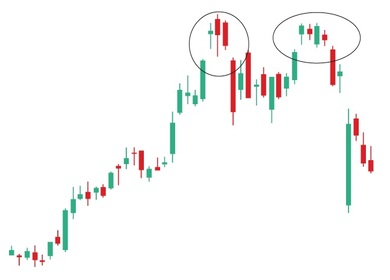
The Exhaustion Gap chart pattern is a technical signal that occurs near the end of a strong trend.
It represents a final surge in price, often driven by emotional buying or selling, before the trend loses momentum.
Traders interpret exhaustion gaps as warnings of potential trend reversal or slowdown, making them critical for risk management.
2. Anatomy of an Exhaustion Gap
- Gap Formation: Price opens significantly higher (in an uptrend) or lower (in a downtrend) than the prior close.
- Location: Appears near the end of a prolonged trend.
- Volume Behavior: Volume spikes as late traders rush in, but conviction is weak.
- Follow-through: Price often stalls or reverses after the gap.
3. Market Psychology Behind Exhaustion Gaps
- Trend Phase: Traders already committed to the trend see validation.
- Late Entry Surge: Retail traders enter late, driven by fear of missing out (FOMO).
- Smart Money Exit: Institutions use the gap to exit positions.
- Reversal Sentiment: Weak buying or selling interest causes the trend to fade.
This reflects investor psychology:
- Emotional extremes dominate.
- Retail traders misinterpret exhaustion gaps as continuation signals.
- Institutional investors exploit the surge to distribute or accumulate.
4. Types of Exhaustion Gaps
| Type | Direction | Typical Context | Volume |
|---|---|---|---|
| Bullish Exhaustion Gap | Upward | End of an uptrend | High but unsustainable |
| Bearish Exhaustion Gap | Downward | End of a downtrend | High but unsustainable |
5. How to Trade Exhaustion Gaps
Entry Strategies
- Counter-Trend Entry: Enter opposite to the prevailing trend after confirmation.
- Fade the Gap: Short bullish exhaustion gaps or buy bearish exhaustion gaps.
- Wait for Confirmation: Use candlestick patterns or indicators to validate reversal.
Stop-Loss Placement
- Above the exhaustion gap high for bearish trades.
- Below the exhaustion gap low for bullish trades.
Profit Targets
- Use prior support/resistance zones.
- Apply Fibonacci retracements to project reversal targets.
6. Common Mistakes Traders Make
- Mistaking exhaustion gaps for runaway gaps.
- Entering trades without confirmation.
- Ignoring volume signals.
- Over-leveraging positions.
7. Advanced Trading Strategies
- Indicator Confirmation: Use RSI divergence, MACD crossovers, or stochastic oscillators.
- Multi-Timeframe Analysis: Confirm exhaustion gaps across daily and weekly charts.
- Volume Profile Integration: Analyze volume distribution around the gap zone.
- Candlestick Patterns: Look for reversal signals like shooting stars or engulfing candles.
8. Exhaustion Gaps vs. Other Gap Types
| Feature | Exhaustion Gap | Breakaway Gap | Runaway Gap |
|---|---|---|---|
| Location | End of trend | Start of trend | Mid-trend |
| Psychology | Weakening momentum | Conviction shift | Momentum continuation |
| Reliability | Low | High | High |
9. Risk Management in Exhaustion Gap Trading
- Always use stop-loss orders.
- Avoid trading gaps without volume confirmation.
- Manage position size carefully.
- Diversify across instruments and timeframes.
10. Case Studies: Exhaustion Gaps in Different Markets
- Stocks: Common after speculative rallies or bubbles.
- Forex: Appears during macroeconomic exhaustion phases.
- Crypto: Seen during parabolic moves before sharp corrections.
11. Conclusion
The Exhaustion Gap chart pattern is a cautionary signal. By understanding its psychology, validating with volume, and applying disciplined trading strategies, traders can avoid false optimism and capitalize on reversals. Success requires patience, confirmation, and strict risk management.