Gaps Chart Pattern: Types, Market Psychology, Trading Strategies, and Risk Management
1. Introduction to Gaps in Technical Analysis
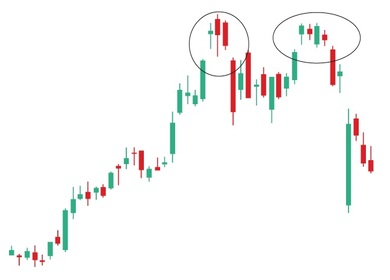
A Gap Chart Pattern occurs when a stock’s price opens significantly higher or lower than the previous closing price, leaving a visible gap on the chart.
Gaps are powerful indicators of market sentiment shifts, often driven by news, earnings, or macroeconomic events.
Traders use gaps to identify trend initiation, continuation, or exhaustion, depending on the type of gap.
2. Anatomy of a Gap
- Gap Up: Opening price is higher than the previous close.
- Gap Down: Opening price is lower than the previous close.
- Volume Confirmation: Gaps accompanied by high volume are more reliable.
3. Types of Gap Patterns
Breakaway Gaps
Occurs at the beginning of a new trend.
Signals strong conviction and often follows consolidation or reversal zones.
Typically not filled quickly.
Runaway (Continuation) Gaps
Occurs within an established trend.
Reflects momentum and increased participation.
May be filled later but confirms trend strength.
Exhaustion Gaps
Occurs near the end of a trend.
Signals weakening momentum and potential reversal.
Often filled quickly as sentiment shifts.
4. Market Psychology Behind Gap Patterns
- Breakaway Gap Psychology: Traders react to new information, initiating a trend.
- Runaway Gap Psychology: Confidence builds, and trend followers join the move.
- Exhaustion Gap Psychology: Late entrants push price further, but smart money exits.
This reflects investor psychology:
- Gaps are emotional reactions to catalysts.
- Volume and volatility reveal conviction or hesitation.
- Smart traders interpret gaps as sentiment snapshots.
5. How to Trade Gap Patterns
Entry Strategies
- Breakaway Gap: Enter in the direction of the gap with confirmation.
- Runaway Gap: Trade with the trend, using pullbacks for entry.
- Exhaustion Gap: Consider counter-trend trades after confirmation.
Stop-Loss Placement
- Below the gap for bullish setups.
- Above the gap for bearish setups.
Profit Targets
- Use prior support/resistance zones.
- Measure gap size and project continuation.
6. Common Mistakes Traders Make
- Trading gaps without volume confirmation.
- Misidentifying gap types.
- Ignoring broader market context.
- Over-leveraging on emotional moves.
7. Advanced Gap Trading Strategies
- Gap and Go: Trade breakaway gaps with momentum indicators.
- Fade the Gap: Counter-trend strategy for exhaustion gaps.
- Gap Fill Strategy: Trade toward gap closure in low-volume setups.
8. Gap Patterns vs. Other Price Patterns
| Feature | Gap Pattern | Flag | Rectangle |
|---|---|---|---|
| Trigger | Price jump between sessions | Consolidation | Range-bound movement |
| Psychology | Sentiment shock | Pause in trend | Equilibrium |
| Volume | Often high | Moderate | Varies |
9. Risk Management in Gap Trading
- Always use stop-loss orders.
- Avoid trading gaps without news or volume.
- Manage position size based on volatility.
- Diversify trades to reduce exposure.
10. Case Studies: Gaps in Different Markets
- Stocks: Common after earnings or news releases.
- Forex: Appears during weekend gaps or macro events.
- Crypto: Less frequent due to 24/7 trading but visible on exchange transitions.
11. Conclusion
The Gaps Chart Pattern is a dynamic tool for identifying sentiment-driven price moves. By understanding the psychology behind each gap type and applying disciplined trading strategies, traders can capitalize on trend shifts and momentum bursts. Success requires volume confirmation, contextual awareness, and strict risk management.