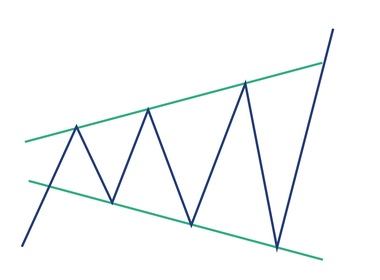
Importance of support and resistance in a downtrend
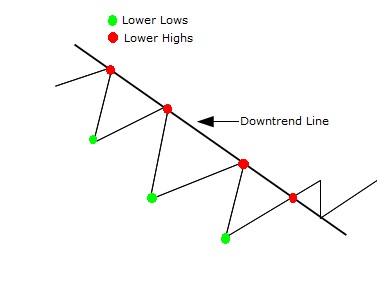
In a downtrend, prices keep making lower highs and lower lows. This means each new low goes below the previous support level, and each new high fails to rise above the previous resistance. As long as this pattern continues, the downtrend is considered strong and ongoing.
But if the price stops falling below the last support, it’s a warning sign that the downtrend might be losing strength. If the price then rises above the previous resistance, it signals a trend reversal — meaning the market may be shifting from a downtrend to an uptrend.
When this happens, traders may consider switching to bullish positions (buying the asset), as the trend is likely changing direction.
This is why it’s important to track support and resistance levels closely during a downtrend. They help traders spot early signs of a possible reversal.
A key idea here is the “change of polarity” principle: once a resistance level is broken, it can become a new support level. If the price holds above this new support during the next decline, it confirms that an uptrend has begun.