Lead and Nickel: History, Applications, Market Dynamics, and Trading Strategies
Introduction
Among the many base metals that shape modern industry, lead and nickel stand out for their unique properties, diverse applications, and significant roles in global commodity markets. While lead has a long and controversial history dating back to ancient civilizations, nickel is a relatively modern discovery that has become indispensable in stainless steel production and advanced technologies.
This article explores the fascinating journey of lead and nickel—from their historical significance to their modern industrial uses, global supply-demand dynamics, and trading strategies. It also provides insights into contract specifications, risk management, and the future outlook for these metals in a rapidly evolving economy.
1: Lead – The Ancient Heavy Metal
Historical Background
Lead is one of the earliest metals discovered by humans, with evidence of its use dating back to 4000 BC in Egypt. Ancient civilizations valued lead for its malleability, density, and resistance to corrosion. The Romans, in particular, used lead extensively in aqueducts, plumbing systems, and even cosmetics.
Unfortunately, this widespread use had unintended consequences. Lead poisoning is believed to have contributed to health problems among Roman elites, potentially weakening the empire’s leadership structure. While historians debate the extent of its impact, the story underscores the double-edged nature of lead’s utility.
Physical Properties
- Density: Very heavy compared to most metals.
- Malleability: Easily shaped into sheets or pipes.
- Corrosion resistance: Long-lasting in harsh environments.
- Electrical conductivity: Poor compared to copper or aluminium.
- Toxicity: Harmful to humans, requiring strict safety measures.
2: Modern Applications of Lead
Despite its toxicity, lead remains vital in several industries when handled responsibly:
- Lead-acid batteries: The largest application, powering vehicles and backup energy systems.
- Radiation shielding: Used in hospitals and nuclear facilities.
- Solders and alloys: Essential in electronics and construction.
- Cable sheathing: Protects against moisture and corrosion.
- Pigments and compounds: Though reduced due to health concerns, still used in specialized applications.
- Shipbuilding and industrial linings: Provides durability in marine environments.
Misconceptions
Many people confuse pencil “lead” with the actual metal. In reality, pencils use graphite, not lead.
3: Global Lead Market
Supply
Major producers include China, Australia, and the United States. Recycling also plays a significant role, as lead is highly recyclable without losing quality.
Demand
Demand has remained relatively stable, driven primarily by the automotive industry’s reliance on lead-acid batteries. Renewable energy storage solutions also contribute to steady consumption.
Price Trends
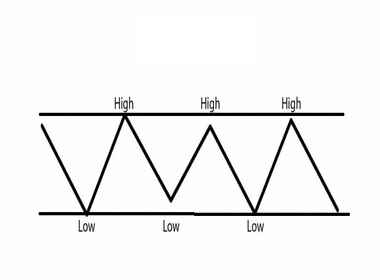
Lead prices tend to remain range-bound, reflecting balanced supply-demand dynamics. Unlike precious metals, lead’s value is tied closely to industrial cycles rather than investor sentiment.
4: Trading Lead Futures
Exchanges
Lead futures are traded on platforms such as the Multi Commodity Exchange (MCX) in India and the London Metal Exchange (LME) globally.
Contract Specifications
Lead (big contract):
- Lot size: 5 metric tonnes
- Tick size: ₹0.05
- P&L per tick: ₹250
Lead Mini contract:
- Lot size: 1 metric tonne
- Tick size: ₹0.05
- P&L per tick: ₹50
Trading Logic
Contracts are introduced five months before expiry but gain liquidity only in their final month. Traders typically focus on current-month contracts to benefit from tighter bid-ask spreads and lower impact costs.
5: Nickel – The Versatile Alloy Metal
Historical Background
Nickel was first isolated in the 18th century, but its widespread use grew in the 19th and 20th centuries with the rise of stainless steel. Unlike lead, nickel’s reputation is tied to innovation and durability rather than toxicity.
Physical Properties
- Strength: Enhances alloys like stainless steel.
- Corrosion resistance: Ideal for harsh environments.
- Magnetic properties: Useful in electronics.
- High melting point: Suitable for high-temperature applications.
6: Modern Applications of Nickel
Nickel’s versatility makes it indispensable across industries:
- Stainless steel production: Accounts for about 65% of global nickel demand.
- Electronics: Used in batteries, mobile phones, and medical equipment.
- Construction: Structural components in buildings and power plants.
- Transportation: Aircraft, ships, and automotive parts.
- Renewable energy: Emerging role in advanced battery technologies for electric vehicles (EVs).
7: Global Nickel Market
Supply
Nickel is mined extensively in Indonesia, the Philippines, Russia, and Canada. Production has often outpaced demand, leading to price volatility.
Demand
Driven primarily by stainless steel manufacturing, but increasingly influenced by EV battery production. As the world shifts toward clean energy, nickel’s role is expected to expand.
Price Trends
Nickel prices are more volatile than lead, reflecting shifts in demand from emerging technologies and supply disruptions in key producing nations.
8: Trading Nickel Futures
Exchanges
Nickel futures are actively traded on the MCX and LME, providing opportunities for hedging and speculation.
Contract Specifications
Nickel (big contract):
- Lot size: 250 kg
- Tick size: ₹0.10
- P&L per tick: ₹25
Nickel Mini contract:
- Lot size: 100 kg
- Tick size: ₹0.10
- P&L per tick: ₹10
Trading Logic
Similar to lead, nickel contracts are introduced months before expiry but gain liquidity in the final month. Traders prefer current-month contracts for efficiency.
9: Price Drivers for Lead and Nickel
Lead
- Automotive demand for batteries.
- Recycling rates.
- Regulatory restrictions due to toxicity.
- Global economic cycles.
Nickel
- Stainless steel demand.
- EV battery production.
- Supply disruptions in major producing countries.
- Energy costs for smelting.
10: Risk Management in Trading
- Leverage control: Avoid excessive exposure.
- Diversification: Spread investments across commodities.
- Stop-loss orders: Limit downside risk.
- Monitoring fundamentals: Stay updated on production and demand reports.
11: Lead and Nickel in the Green Economy
Lead
While its role in renewable energy is limited, lead-acid batteries remain crucial for backup power systems. Recycling ensures sustainability.
Nickel
Nickel is central to the clean energy transition. High-nickel batteries are essential for EVs, offering higher energy density and longer lifespans.
12: Future Outlook
Lead: Stable demand, primarily in batteries. Regulatory pressures may limit growth, but recycling ensures relevance.
Nickel: Strong growth potential driven by EVs and renewable energy. Price volatility will remain a challenge.
13: Practical Tips for Traders
- Focus on current-month contracts for liquidity.
- Track global economic indicators and industrial output.
- Monitor supply disruptions in key producing nations.
- Balance technical analysis with fundamental insights.
- Practice disciplined risk management.
Conclusion
Lead and nickel may seem like ordinary base metals, but their impact on industry, technology, and global markets is extraordinary. Lead’s ancient legacy and nickel’s modern versatility highlight the diverse roles metals play in human progress. For traders, understanding their properties, applications, and market dynamics is essential to navigating the complex world of commodities.
By combining historical context, modern applications, and trading strategies, investors can position themselves to benefit from the evolving role of lead and nickel in the global economy.