Silver Trading and Investment: A Complete Guide to the “White Metal”
Introduction
Silver has fascinated civilizations for thousands of years. From ancient coins and jewelry to modern electronics and renewable energy technologies, this versatile metal has played a crucial role in shaping economies and industries. Today, silver is not only a precious metal but also a vital industrial commodity, making it one of the most actively traded assets in global markets.
In this comprehensive guide, we’ll explore silver’s historical significance, its role in modern industries, how it is traded in commodity exchanges, and strategies investors can use to profit from its price movements.
1. The Historical Importance of Silver
- Ancient civilizations used silver as currency and symbols of wealth.
- Medieval trade relied heavily on silver coinage.
- Colonial mines in South America reshaped global commerce.
- Modern usage shifted toward industrial and investment demand.
2. Silver in Modern Industries
- Electronics: Circuit boards and semiconductors
- Solar energy: Photovoltaic cells use silver paste
- Medical uses: Antibacterial coatings and wound dressings
- Jewelry and fashion: Affordable ornament metal
- Photography: Historical role through silver nitrate
Industrial demand plays a major role in silver pricing.
3. Global Supply and Demand Dynamics
- Supply sources include mining, by-product extraction, and recycling.
- Demand comes from industry, jewelry, investment, and ETFs.
- Annual demand exceeds one billion ounces, creating periodic deficits.
4. Silver as an Investment Asset
- Acts as an inflation hedge
- More affordable than gold
- Higher volatility creates opportunity and risk
- Helps diversify investment portfolios
5. How Silver Prices Are Determined
- Economic growth and industrial demand
- Monetary policy and inflation trends
- Geopolitical uncertainties
- Currency fluctuations
- Correlation to gold markets
6. Silver Trading on Commodity Exchanges
Silver is traded globally across MCX, COMEX, and LBMA.
- Silver (30 kg)
- Silver Mini (5 kg)
- Silver Micro (1 kg)
- Silver 1000 (1 kg)
Each contract type varies in margin, settlement, and risk exposure.
7. Trading Strategies for Silver
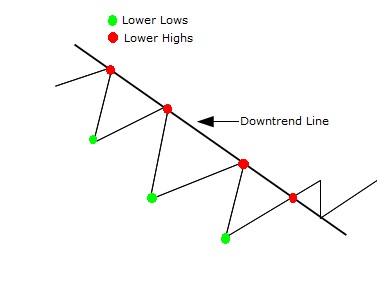
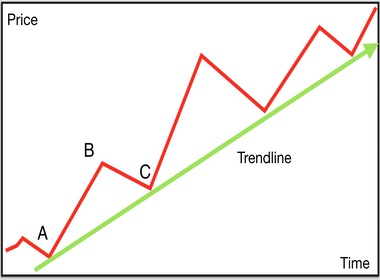
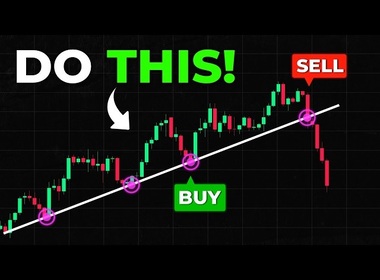
a) Technical Analysis
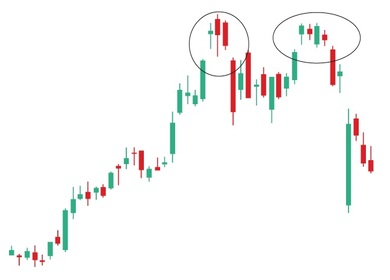
- Candlestick patterns
- Moving averages
- RSI momentum signals
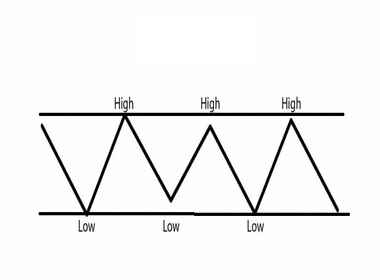
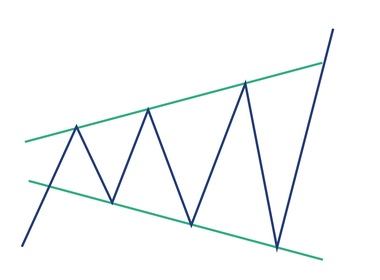
- Support and resistance identification
b) Fundamental Analysis
- Track mining output and manufacturing demand
- Follow inflation data and interest rate policy
c) Quantitative Techniques
- Pair trading with gold
- Spot–futures arbitrage
8. Silver ETFs and Digital Investment Options
- iShares Silver Trust (SLV)
- SilverBees ETF
- Digital silver platforms
These alternatives provide easy access without storage concerns.
9. Risks in Silver Trading
- High volatility
- Leverage exposure in futures
- Liquidity risks in smaller contracts
- Regulatory and policy uncertainties
10. Silver vs. Gold: Key Differences
| Feature | Silver | Gold |
|---|---|---|
| Industrial demand | High | Low |
| Volatility | Higher | Lower |
| Price per ounce | Affordable | Expensive |
| Correlation | Strong with gold | Independent |
| Investment appeal | Industrial + hedge | Primarily hedge |
11. Future Outlook for Silver
- Growth from renewable energy and EV technologies
- Rising electronics consumption worldwide
- Safe-haven demand during global uncertainty
12. Practical Tips for New Silver Traders
- Start small with micro contracts
- Use demo platforms
- Follow global news closely
- Diversify across assets
- Always calculate margins
Conclusion
Silver combines industrial utility with investment appeal, making it one of the most dynamic commodities in global markets. With proper understanding of supply trends, trading strategies, and risk controls, traders and investors can benefit from opportunities in the “white metal” while managing volatility responsibly.