Support and resistance are important in an upward trend
Support and resistance are important in an upward trend
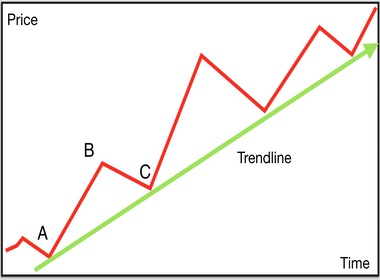
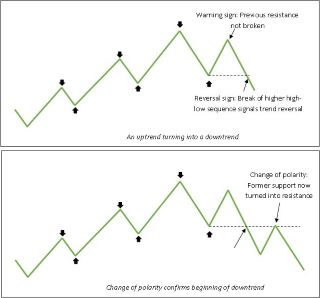
In an uptrend, prices usually make new highs that are higher than the previous highs (resistance) and new lows that are higher than the previous lows (support). As long as this pattern of “higher highs and higher lows” continues, the uptrend is strong. Traders who already own the asset can keep holding it or even buy more.
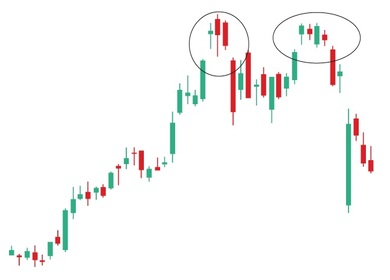
But if the price fails to move above the last high (resistance), it’s an early sign that the uptrend may be losing strength. If the price then falls below the last low (support), it signals that the trend might be reversing. When this happens, traders should reduce their bullish positions and, depending on their trading style, may even consider short-selling.
This is why it’s important to keep an eye on support and resistance levels during an uptrend. They give clues about whether the trend is continuing or weakening.
There’s also a useful rule called the “change of polarity principle.” It means that once a support level is broken, it often turns into a resistance level when the price rises again. Similarly, a broken resistance can act as support if the price falls back.