Technical Analysis Basics: A Complete Beginner’s Guide
Technical Analysis Basics: A Complete Beginner’s Guide
Introduction
Trading in the stock market is not just about luck. To succeed, traders need a clear plan that defines when to buy, when to sell, how much risk to take, and what reward to expect. One of the most popular methods to build this plan is Technical Analysis (TA).
This article explains TA in detail, compares it with Fundamental Analysis (FA), sets realistic expectations, and highlights key takeaways for beginners. By the end, you’ll understand why TA is best suited for short-term trading and how to use it effectively.
What is Technical Analysis?
Technical Analysis is a way of studying price charts and market patterns to predict future movements. Instead of focusing on company details like revenue or profits, TA looks at how traders behave in the market.
- Helps identify entry points (when to buy) and exit points (when to sell)
- Defines risk levels and reward potential
- Uses chart patterns to guide trading decisions
Modern trading platforms make TA easier by providing ready-made charts, indicators, and tools. However, traders must still learn the basics to use it correctly.
Fundamental vs Technical Analysis
To understand TA better, let’s compare it with FA using a simple example.
Imagine you’re in a new country, hungry, and looking for food:
- Fundamental Analysis (FA): You check a few stalls, taste the food, and decide based on quality. This is like researching a company’s financials and long-term prospects.
- Technical Analysis (TA): You watch which stall has the biggest crowd and assume it must be good. This is like following market trends and trader behavior.
Key Differences
| Aspect | Fundamental Analysis | Technical Analysis |
|---|---|---|
| Focus | Company details, profits, industry | Price charts and patterns |
| Timeframe | Long-term | Short-term |
| Method | Deep research | Trend following |
| Best For | Investors | Traders |
Smart traders often combine both methods — using FA to select strong companies and TA to time entries and exits.
Setting Realistic Expectations
1. Best Use
TA works mainly for short-term trading. Long-term investments are better handled with FA, while TA helps refine timing.
2. Returns
Don’t expect overnight success. TA focuses on small but consistent gains. Discipline matters more than one big trade.
3. Holding Period
TA trades usually last from minutes to weeks. Intraday and swing trading are the most common styles.
4. Risk Management
Always cut losses quickly. Never hold losing trades hoping they will recover. Stop-loss orders are essential.
Why Technical Analysis Works
TA is based on the idea that history repeats itself. Traders often react similarly, forming repeatable chart patterns.
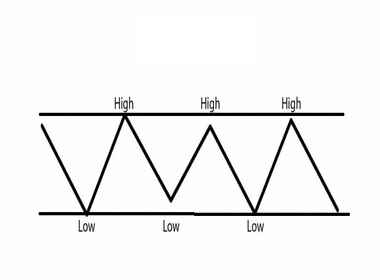
- Support & Resistance: Price levels where markets pause or reverse
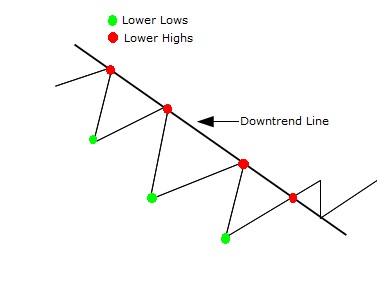
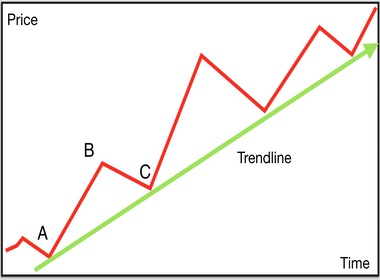
- Trend Lines: Show market direction
- Indicators: RSI, MACD, Moving Averages
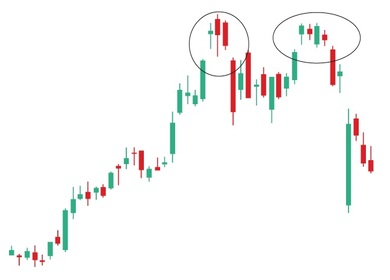
- Candlestick Patterns: Reveal trader psychology
Common Misconceptions About TA
- “TA guarantees profits” – False. It increases probability, not certainty.
- “It’s easy to master” – Wrong. It takes time and practice.
- “Charts never lie” – Markets can still behave unpredictably.
- “Only professionals can use TA” – Beginners can learn step by step.
Practical Tips for Beginners
- Start small and manage capital wisely
- Learn basic chart patterns first
- Always use stop-loss
- Avoid overtrading
- Combine FA for strength and TA for timing
Technical Analysis helps traders identify opportunities, manage risk, and trade with discipline. It works best for short-term trading and requires patience and consistency.
Conclusion
Technical Analysis is a powerful tool, but it is not a magic formula. When combined with proper risk management and realistic expectations, it can help traders make better decisions. Beginners should focus on learning basics, practicing patiently, and improving step by step.
With discipline and consistency, TA can become a valuable part of your trading journey.