Introduction
Technical analysis is the backbone of modern trading strategies, and at its foundation lies the Dow Theory. Developed in the early 20th century by Charles H. Dow, co-founder of the Wall Street Journal and the Dow Jones financial news service, this theory remains one of the most influential frameworks for understanding market behavior. Even though newer tools like candlestick charts and advanced indicators have gained popularity, Dow Theory continues to guide traders and investors in identifying long-term trends, short-term corrections, and critical reversal signals.
This article provides a comprehensive, SEO-friendly exploration of Dow Theory—covering its principles, phases of market cycles, and classic reversal patterns such as double tops, double bottoms, and triple formations. Unlike the original text, this version is structured for clarity, accessibility, and search optimization, making it ideal for traders, students, and financial enthusiasts seeking practical insights.
Core Principles of Dow Theory
Dow Theory is built on nine fundamental tenets. These principles act as guiding rules for interpreting market movements:
Market Discounts Everything
Stock indices reflect all available information—economic data, company performance, investor sentiment, and even unexpected events. Prices adjust rapidly to new realities.
Three Types of Trends Exist
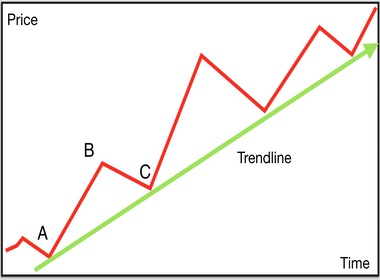
Primary Trend: The dominant direction lasting years.
Secondary Trend: Counter-movements lasting weeks to months.
Minor Trend: Daily fluctuations, often considered noise.
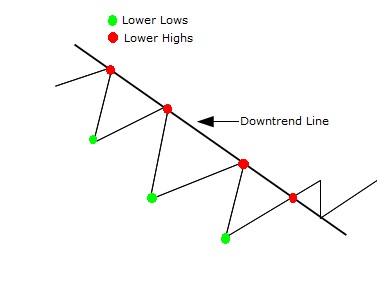
Primary Trend Defines Market Direction
Investors focus on the primary trend for long-term positioning, while traders exploit secondary and minor trends for short-term gains.
Secondary Trends Are Corrections
In bull markets, corrections appear as temporary declines. In bear markets, they manifest as short rallies.
Minor Trends Represent Noise
Day-to-day volatility may distract traders but rarely alters the broader picture.
Indices Must Confirm Each Other
A trend is valid only when multiple indices move in the same direction. For example, Nifty 50, Nifty Bank, and Nifty IT should all align upward to confirm bullishness.
Volume Confirms Price
Rising prices should be accompanied by increasing volume. Falling prices with high volume confirm bearish strength.
Sideways Markets Can Substitute Secondary Trends
Extended ranges often act as pauses before resuming the primary trend.
Closing Price Holds the Greatest Weight
Among open, high, low, and close, the closing price reflects the market’s final consensus.
Phases of Market Cycles
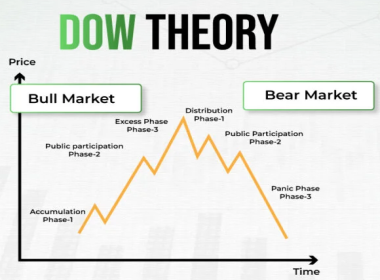
Dow Theory divides market activity into three repeating phases:
1. Accumulation Phase
Occurs after a steep decline when pessimism dominates.
Institutional investors (“smart money”) quietly buy undervalued stocks.
Prices stabilize, forming strong support levels.
This phase may last months or years.
2. Markup Phase
Prices rise rapidly as improved sentiment attracts traders.
Speed is the hallmark—rallies are sharp and often leave retail investors behind.
Analysts and media turn optimistic, fueling momentum.
New highs are achieved, creating excitement.
3. Distribution Phase
Public enthusiasm peaks; everyone wants to invest.
Smart money begins selling gradually, transferring holdings to retail investors.
Resistance levels form as repeated selling caps further gains.
Eventually, prices collapse, leading to a markdown phase—the start of a new cycle.
Classic Reversal Patterns in Dow Theory
Patterns help traders identify turning points. The most notable are:
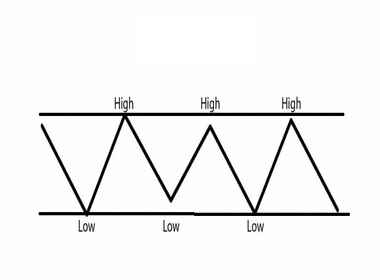
Double Bottom
Price hits a low, rebounds, then retests the same level.
If support holds, a bullish reversal is confirmed.
Traders look for buying opportunities.
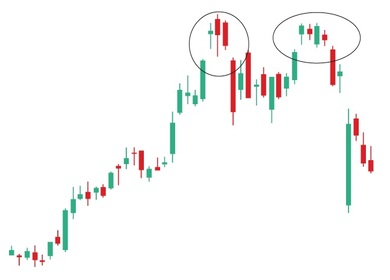
Double Top
Price reaches a high, retreats, then retests the same level.
Failure to break higher signals bearish reversal.
Selling opportunities emerge.
Triple Bottom
Similar to double bottom but tested three times.
Stronger confirmation of support.
Considered more reliable than double formations.
Triple Top
Price tests resistance thrice before collapsing.
Indicates powerful bearish reversal.
Often followed by sharp declines.
Practical Applications
- Swing Trading: Use double and triple formations to time entries and exits.
- Trend Following: Identify primary trends for long-term investments.
- Risk Management: Place stop-loss orders just below support or above resistance.
- Volume Analysis: Confirm strength of breakouts or breakdowns.
Dow Theory vs. Modern Tools
While candlestick patterns, moving averages, and oscillators dominate today’s charts, Dow Theory remains relevant because:
- It emphasizes market psychology.
- It integrates price and volume.
- It provides a long-term perspective often missed by short-term indicators.
Smart traders combine Dow Theory with modern tools for higher conviction trades.
Conclusion
Dow Theory is not just history—it’s a living framework that continues to shape trading strategies worldwide. By understanding its principles, phases, and reversal patterns, traders can better anticipate market movements, manage risk, and align their strategies with broader trends. Whether you’re a beginner or seasoned investor, mastering Dow Theory equips you with timeless insights into the rhythm of financial markets.