The Global Gold Market: Pricing, Disparities, and Trading Insights
Introduction
Gold has fascinated civilizations for centuries, serving as currency, ornament, and a store of value. In modern financial markets, gold continues to play a pivotal role as both a commodity and a hedge against uncertainty. Yet, understanding how gold prices are determined, why disparities exist across markets, and how traders can analyze gold effectively requires more than just surface knowledge.
This article explores the mechanisms behind gold pricing, the international and Indian contexts, the reasons for price disparities, the influence of macroeconomic factors, and the role of technical analysis in trading gold. By the end, you’ll have a comprehensive understanding of how gold functions in today’s global economy and how traders can approach it strategically.
1. How Gold Prices Are Fixed Internationally
Gold prices in the global spot market are set through structured processes such as the London Gold Fix, conducted twice daily by major bullion banks.
- Sessions: 10:30 AM and 3:00 PM (London time)
- Participants: Leading global bullion banks
- Process: Dealers submit bids and an average benchmark price is derived
The London Fix remains an important global reference point for transparency and pricing consistency.
2. Gold Pricing in India
India imports most of its gold, and pricing reflects both global and local factors.
- Imported by designated banks
- Costs include insurance, freight, and customs duties
- Dealers reference MCX futures alongside spot markets
The result is a pricing structure linked to global benchmarks but adjusted for domestic market realities.
3. Why Price Disparities Exist Between Markets
Differences between CME futures and MCX gold prices are structural, not arbitrage opportunities.
- Import duties and taxes
- Currency exchange rate effects
- Cost-of-carry built into futures contracts
Futures Formula: F = S · ert
These differences reflect market structure rather than mispricing.
4. Gold as a Safe Haven Asset
- Surges during crises such as financial crashes or geopolitical shocks
- Acts as an inflation hedge over long time horizons
- Used by investors to diversify risk
Gold’s reputation as a defensive asset makes it attractive in uncertain times.
5. The Relationship Between Gold, Currencies, and Interest Rates
- Inverse tendency between USD and gold
- Weak correlation to interest rates in real trading conditions
- Both USD and gold can rise during systemic crises
Currency trends and central bank policies are key drivers for traders.
6. Demand and Supply Dynamics
- Jewelry demand in India and China
- Central bank reserves
- Mining supply and production trends
- Investment inflows through ETFs and futures
These factors combine to shape price trends globally.
7. Technical Analysis of Gold
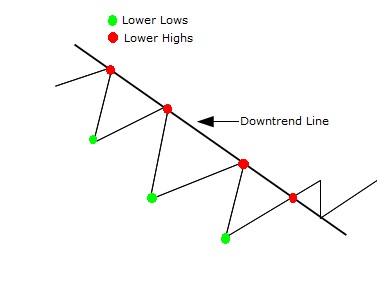
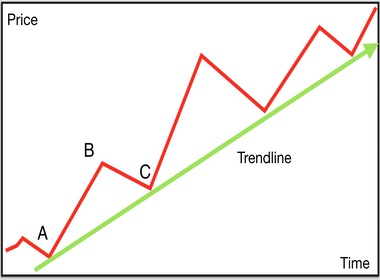
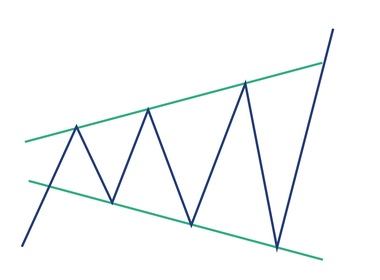
- Long-term trend shifts after consolidation patterns
- Use of 9-day and 21-day exponential moving averages
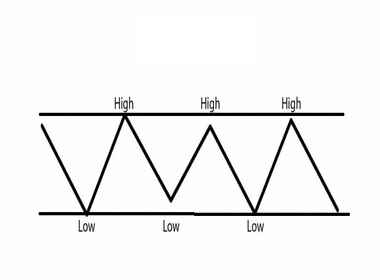
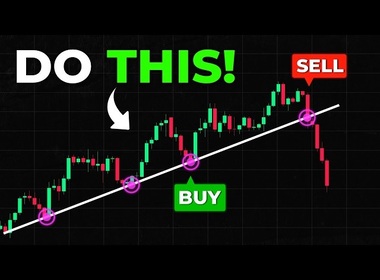
- Resistance and support levels guide entries and exits
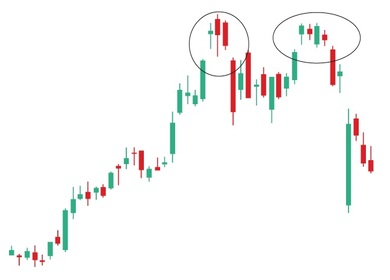
- Candlestick signals such as engulfing and Marubozu patterns
Example Setup
- Entry above resistance
- Defined target region
- Stop-loss placed below support
Technical analysis offers structured trading decisions.
8. Gold ETFs and Investment Options
- Gold ETFs like GoldBees
- Sovereign Gold Bonds
- Physical gold purchases
- Gold mutual funds
Each product differs in tax treatment, liquidity, and storage considerations.
9. Gold in the Context of Inflation and Growth
- Long-term real return historically around 2%
- Acts as protection rather than aggressive growth asset
- Important hedge during currency depreciation
10. Practical Tips for Trading Gold
- Track global economic and geopolitical events
- Watch USD/INR movements if trading in India
- Use technical indicators alongside fundamentals
- Avoid assuming cross-market arbitrage
- Diversify rather than over-allocating to gold
Conclusion
Gold remains central to global finance, blending tradition with modern investment strategies. Understanding pricing benchmarks, domestic adjustments, safe-haven behavior, and technical trading tools allows traders to navigate gold markets confidently. Whether used as a hedge, an investment, or a trading instrument, gold continues to play a vital role in financial portfolios.