The Rounding Top Chart Pattern: Psychology, Trading Strategies, and Risk Management
1. Introduction to the Rounding Top Pattern
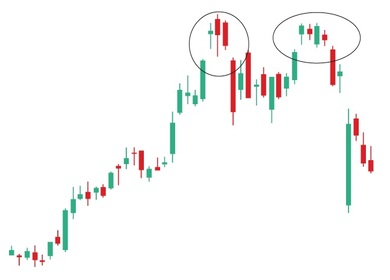
The Rounding Top chart pattern is a bearish reversal formation.
It signals that an uptrend is losing momentum and may reverse into a downtrend.
Traders recognize it by its gradual dome-shaped curve, reflecting a slow transition from bullish optimism to bearish control.
2. Anatomy of the Rounding Top
- Shape: Smooth, curved “n” formation.
- Duration: Often develops over weeks or months.
- Volume Behavior: Volume rises during the uptrend, stabilizes at the top, and declines during breakdown.
- Support Break: Confirmation occurs when price breaks below neckline support.
3. Market Psychology Behind Rounding Tops
- Early Phase: Buyers dominate, pushing prices higher.
- Stabilization Phase: Buying pressure weakens, sellers cautiously enter.
- Distribution: Institutional investors begin selling positions quietly.
- Breakdown: Confidence erodes, volume surges, and price breaks support.
This reflects investor psychology:
- Optimism gradually replaced by fear.
- Market sentiment shifts from bullish to bearish.
- Long-term investors exit positions as trend reverses.
4. How to Trade the Rounding Top Pattern
Entry Strategies
- Breakdown Entry: Short when price closes below neckline support.
- Retest Entry: Enter after price retests neckline resistance post-breakdown.
- Aggressive Entry: Short midway through the top curve for early positioning.
Stop-Loss Placement
Above the highest point of the rounding top.
Profit Targets
- Measure distance from neckline to top.
- Project downward move equal to that distance.
5. Common Mistakes Traders Make
- Entering too early before breakdown confirmation.
- Ignoring volume signals.
- Misidentifying sideways consolidations as rounding tops.
- Over-leveraging positions without risk management.
6. Advanced Trading Strategies
- Indicator Confirmation: Use RSI, MACD, or moving averages to validate breakdown.
- Multi-Timeframe Analysis: Confirm pattern across daily, weekly, and monthly charts.
- Volume Analysis: Strong breakdown volume is essential for reliability.
7. Rounding Top vs. Rounding Bottom
| Feature | Rounding Top | Rounding Bottom |
|---|---|---|
| Shape | Smooth “n” | Smooth “U” |
| Duration | Long-term | Long-term |
| Psychology | Gradual sentiment shift from bullish to bearish | Gradual sentiment shift from bearish to bullish |
8. Risk Management in Rounding Top Trading
- Always use stop-loss orders.
- Avoid trading without volume confirmation.
- Manage position size carefully.
- Diversify trades to reduce exposure.
9. Case Studies: Rounding Top in Different Markets
- Stocks: Often signals distribution before major sell-offs.
- Forex: Appears at resistance zones in currency pairs.
- Crypto: Common during temporary rallies before bearish continuation.
10. Conclusion
The Rounding Top chart pattern is a powerful bearish signal. By understanding its psychology and applying disciplined trading strategies, traders can capitalize on long-term reversals. Success requires patience, confirmation, and strict risk management.