The Short Straddle Strategy: A Complete Guide for Traders
Introduction
Options trading is a fascinating world where strategies can be tailored to suit different market conditions. Among the most popular approaches is the short straddle, a strategy that allows traders to profit when markets remain range-bound. Unlike directional bets, the short straddle thrives on stability and declining volatility. However, it also carries significant risks if the market makes a sharp move in either direction.
This guide explores the short straddle in detail — from its mechanics and payoff structure to risk management, real-world applications, and advanced considerations. By the end, you’ll have a comprehensive understanding of how this strategy works, when to use it, and how to protect yourself from its pitfalls.
1. What Is a Short Straddle?
A short straddle is an options selling strategy where a trader simultaneously sells an at-the-money (ATM) call option and an ATM put option of the same underlying asset, strike price, and expiry date.
- Call Option Sold (ATM): Obligates the seller to deliver the asset if the buyer exercises.
- Put Option Sold (ATM): Obligates the seller to buy the asset if the buyer exercises.
By selling both, the trader collects premiums upfront. The maximum profit is limited to the total premium received, while potential losses are theoretically unlimited if the market moves sharply up or down.
2. Why Traders Use Short Straddles
- Volatility to decrease after a major event (earnings, policy announcements).
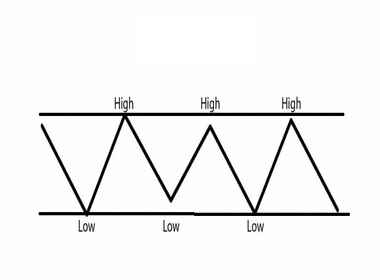
- Range-bound price action, where the underlying asset trades sideways.
- Premium decay (theta) to work in their favor as time passes.
In essence, the short straddle is a bet that “nothing much will happen” in the market during the option’s life.
3. Payoff Structure of a Short Straddle
The payoff diagram of a short straddle resembles an inverted V:
- Maximum Profit: Equal to the net premium received. Occurs when the underlying closes exactly at the strike price.
Break-Even Points:
- Upper Break-Even = Strike Price + Net Premium
- Lower Break-Even = Strike Price – Net Premium
Losses: Unlimited if the market moves beyond either break-even point.
4. Example
Suppose Nifty is trading at 18,000.
- Sell 18,000 Call at ₹120
- Sell 18,000 Put at ₹130
Net Premium = ₹250
Max Profit = ₹250 (if Nifty expires at 18,000)
Upper Break-Even = 18,250
Lower Break-Even = 17,750
Beyond these levels, losses grow without limit.
5. Advantages of Short Straddle
- Income Generation: Premiums collected upfront provide immediate cash inflow.
- Neutral Strategy: Works best when traders have no directional bias.
- Theta Decay Benefit: As expiry approaches, option premiums erode, favoring the seller.
- Simplicity: Easy to set up with just two positions.
6. Risks of Short Straddle
- Unlimited Loss Potential: Sharp moves in either direction can wipe out profits and more.
- Margin Requirements: Brokers demand high margins due to risk exposure.
- Volatility Spikes: Sudden increases in implied volatility can inflate option prices, leading to losses.
- Psychological Pressure: Watching markets move against you can be stressful.
7. When to Use Short Straddles
- Before Earnings Announcements: If implied volatility is high and expected to drop post-results.
- During Stable Market Phases: When technical analysis suggests consolidation.
- Event-Driven Plays: Around central bank meetings or policy decisions where outcomes are predictable.
8. Case Study: Earnings Play
Imagine Infosys trading at ₹1,200 before quarterly results.
- Sell 1,200 Call at ₹50
- Sell 1,200 Put at ₹55
Net Premium = ₹105
If results are in line with expectations and volatility collapses, both options lose value quickly. The trader can buy them back at lower prices, locking in profits.
9. Managing Risks in Short Straddles
Since losses can be unlimited, risk management is critical. Common techniques include:
- Stop-Loss Orders: Pre-defined exit points to cap losses.
- Hedging with Futures: Using futures contracts to offset directional risk.
- Converting to Other Strategies: Adjusting into iron condors, butterflies, or strangles.
- Position Sizing: Limiting exposure by trading fewer lots.
10. Adjustments to Short Straddles
Traders often adjust positions when markets move unexpectedly:
- Shift to Strangle: Move strikes further out to widen the profit zone.
- Add Protective Options: Buy out-of-the-money calls or puts to cap losses.
- Roll Positions: Extend expiry to give the trade more time.
11. The Greeks and Short Straddle
- Delta: Initially neutral, but shifts as the underlying moves.
- Theta: Positive — time decay benefits the seller.
- Vega: Negative — rising volatility hurts the position.
- Gamma: Negative — large moves in the underlying increase risk.
Understanding these sensitivities is vital for managing the trade.
12. Short Straddle vs. Long Straddle
| Aspect | Short Straddle | Long Straddle |
|---|---|---|
| Position | Sell ATM Call + Put | Buy ATM Call + Put |
| Profit | Limited to premium | Unlimited if market moves |
| Risk | Unlimited | Limited to premium paid |
| Best Market | Range-bound | Volatile |
13. Practical Tips for Traders
- Avoid naked short straddles unless experienced.
- Monitor volatility indices (like India VIX).
- Always have a risk management plan.
- Paper trade before deploying real capital.
- Use defined-risk strategies if margin is limited.
14, Advanced Considerations
- Volatility Skew: Sometimes call and put premiums differ due to market bias.
- Event Timing: Entering too early can expose you to unnecessary risk.
- Liquidity: Ensure options have sufficient volume for smooth entry/exit.
- Psychology: Be prepared for sudden swings and avoid emotional decisions.
Conclusion
The short straddle is a powerful yet risky strategy. It rewards traders when markets remain calm but punishes them severely during sharp moves. Success lies in timing, volatility assessment, and disciplined risk management. For traders who understand its mechanics and respect its risks, the short straddle can be a valuable addition to their options toolkit.