The Three Drives Chart Pattern: Psychology, Trading Strategies, and Risk Management
1. Introduction to the Three Drives Pattern
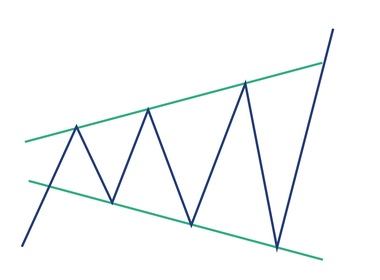
The Three Drives chart pattern is a harmonic reversal formation.
It is characterized by three consecutive price swings in the same direction, each completing at specific Fibonacci extension and retracement levels.
The pattern signals that the prevailing trend is likely to reverse after the third drive, making it a powerful tool for traders seeking turning points.
2. Anatomy of the Three Drives Pattern
- Drive 1: Initial price move in the prevailing trend direction.
- Retracement 1: Counter-trend correction, often aligning with Fibonacci retracement levels (0.618 or 0.786).
- Drive 2: Second price move, extending beyond the first drive.
- Retracement 2: Another correction, again aligning with Fibonacci ratios.
- Drive 3: Final push, typically reaching a 1.618 Fibonacci extension.
- Completion: Signals exhaustion of the trend and potential reversal.
3. Market Psychology Behind the Three Drives
- First Drive: Traders follow momentum, optimism or pessimism dominates.
- Second Drive: Confidence grows, more participants join the trend.
- Third Drive: Overextension occurs, smart money begins to exit positions.
- Reversal: Market sentiment shifts, leading to a sharp counter-trend move.
This reflects investor psychology:
- Herd behavior drives repeated pushes.
- Fibonacci levels act as natural psychological barriers.
- Exhaustion and profit-taking trigger reversal.
4. How to Trade the Three Drives Pattern
Entry Strategies
- Reversal Entry: Enter counter-trend trade after the third drive completes at Fibonacci extension.
- Confirmation Entry: Wait for breakout against the prevailing trend before entering.
- Aggressive Entry: Anticipate reversal near completion of the third drive with tight stop-loss.
Stop-Loss Placement
Beyond the third drive’s Fibonacci extension level.
Profit Targets
- Use Fibonacci retracements to project reversal targets (0.618 or 1.0 levels).
- Aim for prior support/resistance zones.
5. Common Mistakes Traders Make
- Misidentifying incomplete drives as full patterns.
- Ignoring Fibonacci alignment.
- Entering too early without confirmation.
- Over-leveraging positions.
6. Advanced Trading Strategies
- Indicator Confirmation: Use RSI divergence, MACD crossovers, or stochastic oscillators.
- Multi-Timeframe Analysis: Confirm Three Drives on higher timeframes for stronger signals.
- Volume Analysis: Declining volume during third drive often validates exhaustion.
7. Three Drives vs. Other Harmonic Patterns
| Feature | Three Drives | Gartley | Butterfly |
|---|---|---|---|
| Structure | 3 drives + retracements | M/W shape | Extended reversal |
| Psychology | Exhaustion after 3 pushes | Correction + continuation | Overextension reversal |
| Application | Trend reversal | Continuation/reversal | Major turning points |
8. Risk Management in Three Drives Trading
- Always use stop-loss orders.
- Avoid trading without Fibonacci confirmation.
- Manage position size carefully.
- Diversify trades to reduce exposure.
9. Case Studies: Three Drives in Different Markets
- Stocks: Appears before major reversals in overextended rallies.
- Forex: Common in trending currency pairs with harmonic structures.
- Crypto: Frequently seen during volatile rallies before sharp corrections.
10. Conclusion
The Three Drives chart pattern is a precise harmonic reversal signal. By understanding its psychology and applying disciplined trading strategies, traders can anticipate market turning points with confidence. Success requires patience, Fibonacci alignment, and strict risk management.