The Ultimate Guide to 45 Chart Patterns Every Trader Must Know
What Are Chart Patterns in Trading?
Chart patterns are visual formations created by price movements on a trading chart. They act as roadmaps, showing traders where an asset might head next based on historical behavior.
- Purpose: Identify potential breakouts, reversals, or continuation signals.
- Markets: Stocks, forex, crypto, and commodities.
- Benefit: Simplifies decision-making by turning raw price data into recognizable shapes.
Key Takeaways for Traders
- Chart patterns help traders anticipate trend continuation or reversal with higher accuracy.
- Always confirm a breakout with strong trading volume before acting on a signal.
- Combine chart patterns with RSI, MACD, and moving averages for reliable entry and exit points.
- Patterns apply across stocks, forex, crypto, and commodities, making them universal tools.
How to Read Chart Patterns (Beginner-Friendly Guide)
Identify the Trend
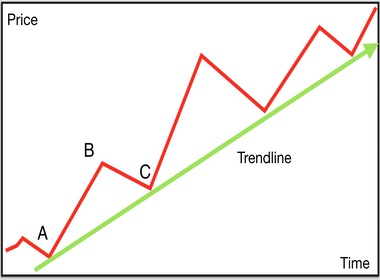
- Uptrend → Buyers dominate.
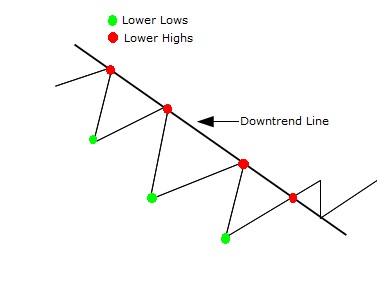
- Downtrend → Sellers dominate.
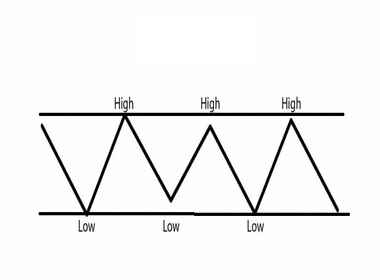
- Sideways → Market indecision.
Spot the Pattern
Look for shapes like triangles, flags, or head & shoulders.
Mark Support & Resistance
- Support = Buyer entry zones.
- Resistance = Seller profit-taking zones.
Wait for Confirmation
A breakout must be validated by volume surge.
Types of Chart Patterns
Chart patterns fall into four main categories:
- Reversal Patterns → Signal trend change.
- Continuation Patterns → Indicate trend persistence.
- Bilateral Patterns → Breakouts possible in either direction.
- Complex Patterns → Capture multi-phase or cyclical behavior.
Top 45 Chart Patterns for Traders
Below is a comprehensive list of 45 chart patterns, grouped by type, with detailed explanations, trading psychology, and practical applications.
Reversal Chart Patterns (Trend Change Signals)
- Head and Shoulders – Classic bearish reversal pattern signaling the end of an uptrend.
- Inverse Head and Shoulders – Bullish reversal, often seen at market bottoms.
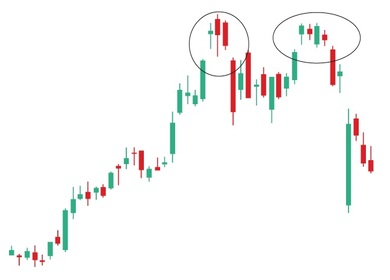
- Double Top – Two peaks at resistance → bearish reversal.
- Double Bottom – Two troughs at support → bullish reversal.
- Triple Top – Three peaks → stronger bearish reversal.
- Triple Bottom – Three troughs → stronger bullish reversal.
- Rounding Top – Gradual shift from bullish to bearish sentiment.
- Rounding Bottom (Saucer) – Slow accumulation before bullish breakout.
- Falling Wedge (Reversal) – Bullish reversal when breakout occurs upward.
- Rising Wedge (Reversal) – Bearish reversal when breakout occurs downward.
Continuation Chart Patterns (Trend Persistence)
- Ascending Triangle – Bullish continuation with horizontal resistance.
- Descending Triangle – Bearish continuation with horizontal support.
- Symmetrical Triangle – Neutral → breakout direction confirms trend.
- Bullish Flag – Sharp rally followed by consolidation → continuation upward.
- Bearish Flag – Sharp decline followed by consolidation → continuation downward.
- Bullish Pennant – Small consolidation after strong uptrend.
- Bearish Pennant – Small consolidation after strong downtrend.
- Rectangle (Bullish) – Price oscillates between support & resistance before upward breakout.
- Rectangle (Bearish) – Price oscillates before downward breakout.
- Cup and Handle – Bullish continuation pattern resembling a teacup.
Bilateral Chart Patterns (Indecision → Either Direction)
- Symmetrical Triangle (Bilateral Use) – Breakout can occur either way.
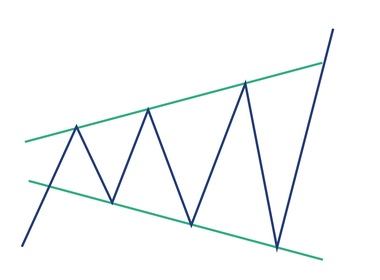
- Expanding Triangle (Broadening Formation) – Volatility increases; breakout direction uncertain.
- Diamond Top – Rare bilateral pattern; breakout can be bullish or bearish.
- Diamond Bottom – Similar to diamond top but at market lows.
- Megaphone Pattern – Price swings widen; breakout depends on volume.
Complex Chart Patterns (Advanced & Cyclical)
- Elliott Wave Pattern – Five-wave impulse followed by three-wave correction.
- Harmonic Patterns (Gartley, Bat, Butterfly) – Based on Fibonacci ratios.
- Wolfe Waves – Predicts equilibrium price levels.
- Head & Shoulders Complex – Multiple shoulders before breakout.
- Broadening Wedge – Expanding volatility with uncertain breakout.
Additional Useful Patterns
- Island Reversal – Gap up followed by gap down → strong reversal.
- Gap Patterns (Breakaway, Runaway, Exhaustion) – Volume-driven gaps signaling continuation or reversal.
- Parabolic Curve – Exponential rise → unsustainable, often followed by crash.
- Spike & Ledge – Sharp move followed by sideways consolidation.
- High Tight Flag – Rare but powerful bullish continuation.
- Descending Channel – Bearish continuation until breakout upward.
- Ascending Channel – Bullish continuation until breakout downward.
- Horizontal Channel – Neutral range-bound trading.
- Expanding Channel – Volatility increases with wider swings.
- Narrow Channel – Tight consolidation before breakout.
- Volatility Contraction Pattern (VCP) – Price compresses before explosive breakout.
- Consolidation Triangle – Neutral consolidation before breakout.
- Rounded Consolidation – Slow accumulation before trend continuation.
- Fibonacci Fan Pattern – Uses retracement levels for breakout prediction.
- Ichimoku Cloud Breakout – Advanced Japanese pattern using cloud support/resistance.
Practical Tips for Using Chart Patterns
- Volume Confirmation: Always check if breakout is supported by volume.
- Timeframe Matters: Patterns on daily/weekly charts are more reliable than intraday.
- Combine Indicators: Use RSI, MACD, and moving averages for confirmation.
- Risk Management: Place stop-loss orders below support or above resistance.
- Backtesting: Test patterns on historical data before applying live.
Chart Patterns Across Markets
- Stocks: Identify earnings-driven breakouts.
- Forex: Spot currency pair reversals.
- Crypto: Detect volatile breakout moves.
- Commodities: Predict cyclical demand/supply shifts.
Psychology Behind Chart Patterns
- Fear & Greed: Drive reversals and breakouts.
- Accumulation & Distribution: Smart money builds positions before breakout.
- Indecision: Bilateral patterns reflect market uncertainty.
Future of Chart Patterns
- AI-driven trading platforms will automate pattern recognition.
- Crypto volatility will make bilateral patterns more common.
- Complex harmonic and wave-based patterns will gain popularity among advanced traders.
Conclusion
Chart patterns remain essential tools for traders , offering insights into market psychology and price behavior. By mastering these 45 patterns, traders can anticipate moves, manage risks, and improve profitability across multiple markets.