The Ultimate Guide to Support and Resistance in Stock Market Trading
Introduction
Support and resistance are two of the most fundamental concepts in technical analysis. They act as invisible barriers on a price chart, guiding traders in making decisions about entry, exit, and risk management. While many beginners hear these terms early in their trading journey, few truly understand how powerful they can be when applied correctly. This article explores support and resistance in depth, explaining how to identify them, why they matter, and how traders can use them to build profitable strategies.
1. What Are Support and Resistance?
Support: A price level where demand is strong enough to prevent the price from falling further. When a stock approaches support, buyers tend to step in, creating upward pressure.
Resistance: A price level where selling pressure outweighs buying interest, preventing the price from rising further. When a stock nears resistance, sellers dominate, pushing prices downward.
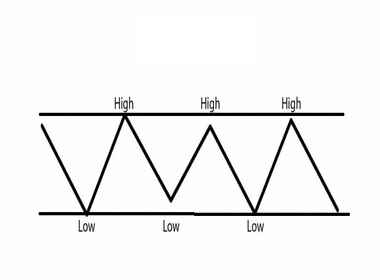
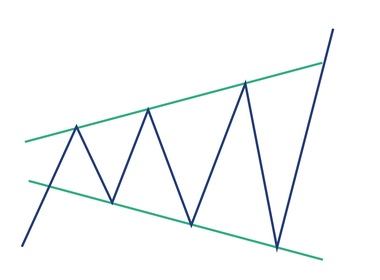
Think of support as the “floor” and resistance as the “ceiling” of price movement. Prices often bounce between these levels until a breakout occurs.
2. Why Support and Resistance Matter
Support and resistance are not just theoretical concepts; they are practical tools that traders use every day. Their importance lies in:
- Predicting price behavior: They help anticipate where prices may reverse or consolidate.
- Defining risk: Traders can place stop-loss orders just below support or above resistance.
- Setting targets: Resistance levels often serve as profit targets for long trades, while support levels act as targets for short trades.
- Improving discipline: Using these levels prevents emotional decision-making and encourages structured trading.
3. How to Identify Support and Resistance
Step 1: Load Historical Data
To identify meaningful levels, traders must analyze sufficient historical data.
For short-term trading, 3–6 months of data is usually enough.
For long-term trading, 12–18 months or more provides better context.
Step 2: Spot Price Action Zones
Price action zones are areas where the stock hesitated, reversed, or consolidated. Look for:
- Points where the price struggled to move higher.
- Points where the price struggled to move lower.
- Sharp reversals forming “V” or inverted “V” shapes.
Step 3: Align Multiple Zones
Support and resistance are strongest when multiple price action zones align at similar levels. The more times a level is tested, the more reliable it becomes.
Step 4: Draw Horizontal Lines
Connect these zones with horizontal lines. If the line is below the current price, it is support. If above, it is resistance.
4. Support and Resistance as Zones, Not Points
A common mistake beginners make is treating support and resistance as exact price points. In reality, they are zones. For example, if support is identified at ₹430, the actual zone may range between ₹426–₹432. This buffer accounts for market volatility and prevents premature stop-loss triggers.
5. Practical Examples
Example 1: Long Trade Using Resistance
Suppose a stock trades at ₹206 and forms a bullish candlestick pattern. Resistance is identified at ₹215. A trader may:
- Enter at ₹206.
- Place a stop-loss at ₹202.
- Set a target at ₹215.
Here, resistance acts as the profit target.
Example 2: Short Trade Using Support
If another stock trades at ₹442 and forms a bearish candlestick pattern, with support at ₹435:
- Entry at ₹442.
- Stop-loss at ₹446.
- Target at ₹435.
Support acts as the profit target for the short trade.
6. Reliability of Support and Resistance
Support and resistance are not guarantees; they are probabilities. A level may hold multiple times but eventually break. Traders must remember:
- History repeats itself: Price often reacts similarly at previously tested levels.
- Time spacing matters: Levels tested at well-spaced intervals are stronger than those tested repeatedly in a short span.
- Volume confirmation: High trading volume near support or resistance strengthens the level’s reliability.
7. Optimization Techniques
To improve accuracy, traders can combine support and resistance with other tools:
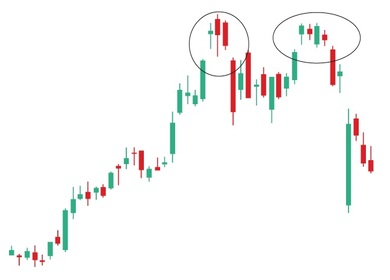
- Candlestick patterns: A bullish engulfing pattern near support or a bearish shooting star near resistance increases confidence.
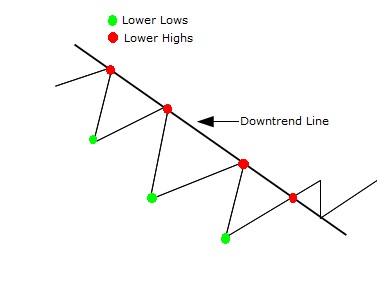
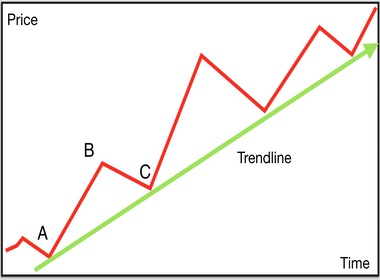
- Trendlines: When markets are at all-time highs or lows, trendlines can substitute for missing support or resistance.
- Moving averages: Popular averages like the 50-day or 200-day often act as dynamic support or resistance.
- Fibonacci retracement: These levels frequently align with natural support and resistance zones.
8. Support and Resistance in Different Timeframes
Intraday traders: Often use 5-minute, 15-minute, or hourly charts.
Swing traders: Prefer daily or weekly charts.
Long-term investors: Rely on monthly charts to identify major levels.
It is crucial to remain consistent with the chosen timeframe. Switching between daily and weekly charts without a clear plan can lead to confusion.
9. Breakouts and Retests
One of the most powerful strategies involves breakouts and retests:
When price breaks above resistance, that resistance often becomes new support.
When price breaks below support, that support often becomes new resistance.
Traders should wait for confirmation through retests before entering trades. This reduces the risk of false breakouts.
10. Common Mistakes to Avoid
- Ignoring zones: Treating support/resistance as exact points.
- Overloading charts: Drawing too many lines creates clutter.
- Neglecting volume: Levels without volume confirmation are weaker.
- Forcing patterns: Trying to fit support/resistance where none exists.
11. Advanced Applications
- Trailing stop-loss: Adjusting stop-loss levels as price moves in your favor, locking in profits.
- Multiple targets: Using successive resistance levels as step-by-step profit targets.
- Confluence trading: Combining support/resistance with indicators like RSI or MACD for stronger signals.
12. Psychological Aspect
Support and resistance are not just technical; they reflect trader psychology.
At support, buyers believe the asset is undervalued.
At resistance, sellers believe the asset is overvalued.
These collective beliefs create self-fulfilling prophecies, reinforcing the levels.
13. Checklist for Trading with Support and Resistance
Before entering a trade, ask:
- Is there a clear candlestick pattern?
- Does support or resistance align with the pattern?
- Is the stop-loss near a reliable level?
- Is the risk-to-reward ratio favorable?
- Has volume confirmed the level?
- Is the broader trend supportive of the trade?
14. Conclusion
Support and resistance are timeless tools in technical analysis. They help traders identify opportunities, manage risk, and maintain discipline. While no level is infallible, combining support and resistance with other strategies creates a robust framework for trading. Whether you are an intraday trader or a long-term investor, mastering these concepts is essential for consistent success in the markets.