The Ultimate Guide to Trading the USD/INR Currency Pair
Introduction
The USD/INR currency pair is one of the most actively traded instruments in India’s financial markets. It represents the exchange rate between the US Dollar (USD) and the Indian Rupee (INR), and its movements are closely watched by traders, investors, corporations, and policymakers alike. With India’s growing role in global trade and the US Dollar’s dominance as the world’s reserve currency, understanding how to trade USD/INR futures and options is critical for anyone interested in currency markets.
This comprehensive guide explores the mechanics of USD/INR derivatives, contract specifications, margin requirements, trading strategies, and risk management techniques. Whether you are a beginner or an experienced trader, this article will provide actionable insights into navigating the USD/INR market effectively.
1. Why Trade the USD/INR Pair?
Global Importance of USD
- The US Dollar accounts for nearly 90% of all foreign exchange transactions worldwide.
- It is the benchmark currency for commodities like crude oil and gold.
- Most international trade settlements are denominated in USD.
Role of INR
- The Indian Rupee reflects the strength of India’s economy, trade balance, and capital flows.
- As India imports large amounts of crude oil and exports IT services, the USD/INR rate directly impacts inflation, corporate earnings, and government finances.
Benefits of Trading USD/INR
- Liquidity: USD/INR is among the most liquid currency pairs available on Indian exchanges.
- Leverage: Futures and options allow traders to control large positions with relatively small margin requirements.
- Diversification: Currency trading provides an alternative to equities and commodities.
- Hedging: Corporates and exporters use USD/INR contracts to hedge against exchange rate volatility.
2. Understanding USD/INR Futures Contracts
Contract Specifications
- Lot Size: $1,000 per contract.
- Tick Size: 0.25 paise (₹0.0025).
- Trading Hours: 9:00 AM to 5:00 PM (Monday to Friday).
- Expiry: Weekly contracts expire every Friday; monthly contracts expire two business days before the last working day of the month.
- Settlement: Based on the RBI reference rate on the expiry day.
Example Calculation
Suppose USD/INR is trading at 83.5000.
Contract Value = Lot Size × Price = 1,000 × 83.5000 = ₹83,500.
Margin Requirement ≈ 2.5% = ₹2,087.
This means you can control a contract worth ₹83,500 by depositing just ₹2,087.
3. USD/INR Options Contracts
Key Features
- Style: European (can be exercised only at expiry).
- Premium: Quoted in INR.
- Contract Cycle: Three monthly contracts available at any time.
- Strike Prices: Offered at intervals of 0.25 paise.
- Settlement: Cash settled in INR based on RBI reference rate.
Example
If you buy a USD/INR call option with a strike price of 83.0000 at a premium of 0.7500:
Premium Outlay = Lot Size × Premium = 1,000 × 0.7500 = ₹750.
If the option expires at 83.5000, intrinsic value = 0.5000 × 1,000 = ₹500.
Net P&L = ₹500 – ₹750 = –₹250 (loss).
Options allow traders to speculate with limited risk (premium paid) while offering unlimited profit potential.
4. Margin Requirements and Leverage
Futures
- Margins typically range between 2% and 2.5% of contract value.
- Compared to equity futures (15–65%), currency futures require significantly lower margins.
Options
- Buyers pay only the premium upfront.
- Sellers (writers) must deposit margin, which is higher due to unlimited risk exposure.
Leverage Impact
Lower margins mean higher leverage. For example, with ₹10,000 capital, you can control contracts worth over ₹400,000. While this magnifies profits, it also increases risk.
5. Factors Influencing USD/INR Movements
Macroeconomic Drivers
- Interest Rate Differentials: US Federal Reserve vs. Reserve Bank of India policies.
- Inflation: Higher inflation in India weakens INR.
- Trade Balance: Large imports (oil, gold) increase demand for USD.
- Capital Flows: FDI and FII inflows strengthen INR.
Global Events
- US economic data releases (GDP, jobs, inflation).
- Geopolitical tensions affecting oil prices.
- Dollar Index (DXY) movements.
Domestic Factors
- RBI interventions in forex markets.
- Government fiscal policies.
- Seasonal demand for USD (e.g., corporate earnings repatriation).
6. Trading Strategies for USD/INR
Intraday Trading
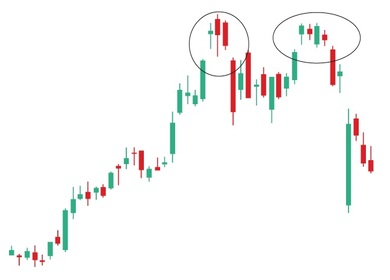
- Use candlestick patterns like Marubozu, Doji, and Engulfing for short-term trades.
- Focus on breakout levels around support/resistance zones.
Swing Trading
- Combine moving averages (50-day and 200-day) with RSI for medium-term positions.
- Look for trend reversals during major economic announcements.
Hedging
- Exporters can sell USD/INR futures to lock in exchange rates.
- Importers can buy futures to protect against rising USD.
Options Strategies
- Covered Call: Hold USD/INR futures and sell call options to earn premium.
- Straddle: Buy both call and put options to profit from volatility.
- Spread Strategies: Use bull call spreads or bear put spreads to limit risk.
7. Risk Management in Currency Trading
Position Sizing
Never risk more than 2–3% of your capital on a single trade.
Stop Loss
Always set stop losses to protect against adverse moves.
Diversification
Avoid concentrating all trades in USD/INR; explore other pairs like EUR/INR or GBP/INR.
Monitoring News
Stay updated with RBI announcements, US Fed meetings, and global economic data.
8. Practical Example: Intraday Trade
Suppose USD/INR forms a bearish Marubozu at 83.7000.
Entry: Short at 83.6900.
Stop Loss: 83.7500.
Target: 83.6000.
Lot Size: 1,000 × 10 lots = $10,000.
Profit = (83.6900 – 83.6000) × 10 × 1,000 = ₹9,000.
This demonstrates how small pip movements can generate significant profits when trading multiple lots.
9. Advantages of Currency Derivatives
- Lower Margin Requirements: Easier for retail traders to participate.
- High Liquidity: Tight spreads ensure efficient execution.
- Transparency: Contracts are standardized and regulated by exchanges.
- Accessibility: Available on NSE and BSE platforms.
10. Common Mistakes to Avoid
- Overleveraging positions without adequate risk controls.
- Ignoring global events that impact USD.
- Trading without a clear strategy or plan.
- Holding positions till expiry without monitoring RBI reference rates.
11. Future of USD/INR Trading
With India’s increasing integration into global markets, USD/INR trading volumes are expected to grow. The introduction of more currency pairs, advanced trading platforms, and algorithmic strategies will further enhance opportunities for traders.
Conclusion
Trading the USD/INR currency pair through futures and options offers immense opportunities for speculation, hedging, and diversification. However, success requires a deep understanding of contract specifications, margin requirements, market drivers, and disciplined risk management. By combining technical analysis with macroeconomic insights, traders can navigate the USD/INR market with confidence and precision.