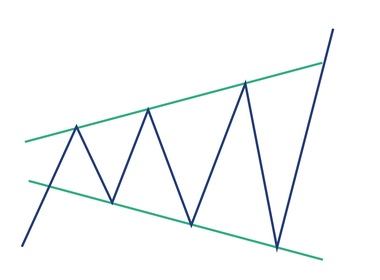
The V Chart Pattern: Psychology, Trading Strategies, and Risk Management
1. Introduction to the V Chart Pattern
The V Chart Pattern is a sharp reversal formation.
It is characterized by a steep decline followed by an equally sharp recovery, forming a distinct “V” shape on the chart.
This pattern signals a swift change in market sentiment, with strong buying pressure following intense selling.
Traders use the V pattern to identify potential bottoms and capitalize on rapid bullish reversals.
2. Anatomy of the V Chart Pattern
- Decline Phase: A sharp downward move caused by panic selling or negative news.
- Bottom Formation: Price hits a low point, often accompanied by high volume.
- Recovery Phase: Strong buying pressure drives price upward, mirroring the decline.
- Completion: The chart forms a symmetrical “V” shape, confirming reversal.
3. Market Psychology Behind the V Pattern
- Selling Phase: Fear dominates, leading to rapid declines.
- Capitulation: Weak hands exit positions, driving price to extreme lows.
- Buying Phase: Bargain hunters and institutional investors step in.
- Recovery: Optimism returns, fueling sharp upward momentum.
This reflects investor psychology:
- Panic selling followed by aggressive buying.
- Emotional extremes drive both sides of the V.
- Market sentiment shifts rapidly from pessimism to optimism.
4. How to Trade the V Chart Pattern
Entry Strategies
- Breakout Entry: Buy once price confirms recovery above key resistance.
- Aggressive Entry: Enter near the bottom with tight stop-loss.
- Retest Entry: Wait for price to retest breakout level before entering.
Stop-Loss Placement
Below the lowest point of the V bottom.
Profit Targets
- Measure decline depth.
- Project upward move equal to that depth after recovery.
5. Common Mistakes Traders Make
- Mistaking temporary bounces for full V reversals.
- Entering too early without confirmation.
- Ignoring volume signals.
- Over-leveraging positions.
6. Advanced Trading Strategies
- Indicator Confirmation: Use RSI divergence, MACD crossovers, or moving averages.
- Multi-Timeframe Analysis: Confirm V pattern on higher timeframes.
- Volume Analysis: Rising volume during recovery validates reversal.
7. V Pattern vs. Other Reversal Patterns
| Feature | V Pattern | U Pattern | Double Bottom |
|---|---|---|---|
| Shape | Sharp “V” | Rounded “U” | Two distinct lows |
| Psychology | Panic selling + aggressive buying | Gradual sentiment shift | Retest of support |
| Speed | Rapid reversal | Slow reversal | Moderate reversal |
8. Risk Management in V Pattern Trading
- Always use stop-loss orders.
- Avoid trading without volume confirmation.
- Manage position size carefully.
- Diversify trades to reduce exposure.
9. Case Studies: V Pattern in Different Markets
- Stocks: Common after earnings shocks or market crashes.
- Forex: Appears in currency pairs during sharp reversals.
- Crypto: Frequently seen during volatile rallies after steep declines.
10. Conclusion
The V Chart Pattern is a powerful reversal signal. By understanding its psychology and applying disciplined trading strategies, traders can capitalize on sharp bullish reversals. Success requires patience, confirmation, and strict risk management.