Trading EUR/INR, GBP/INR, and JPY/INR in Indian Markets: A Complete Guide
Introduction
Currency trading in India has grown rapidly over the past decade, with the USD/INR pair traditionally dominating volumes. However, traders today have access to other important crosses—EUR/INR, GBP/INR, and JPY/INR. These contracts open up opportunities to diversify strategies, hedge exposures, and explore global macroeconomic themes through the lens of the Indian Rupee.
This article provides a comprehensive guide to trading EUR/INR, GBP/INR, and JPY/INR futures and options in India, covering contract specifications, margin requirements, trading strategies, technical analysis applications, and risk management. By the end, you’ll have a clear roadmap for navigating these pairs with confidence.
1. Why Trade Non-USD Currency Pairs in India?
- Diversification: Limiting exposure to USD/INR alone can restrict opportunities. EUR, GBP, and JPY contracts allow traders to spread risk.
- Global Relevance: These currencies are among the most traded worldwide and reflect broader economic trends.
- Hedging Needs: Importers and exporters dealing with Europe, the UK, or Japan can hedge directly using these INR pairs.
- Volatility Opportunities: Each pair has different volatility characteristics, with JPY/INR often showing wider swings.
2. EUR/INR Futures: Structure and Opportunities
Contract Specifications
- Lot Size: €1,000
- Underlying: Exchange rate of 1 Euro in Indian Rupees
- Tick Size: ₹0.0025
- Trading Hours: 9:00 AM – 5:00 PM
- Expiry Cycle: Up to 12 months
- Settlement Price: RBI reference rate on final settlement day
Margin Requirements
Margins typically hover around 2.5% of contract value, making EUR/INR accessible compared to equity derivatives.
Trading Considerations
- ECB monetary policy and Eurozone data
- Moderate correlation with USD/INR
- Reasonable liquidity for both retail and institutional participation
3. GBP/INR Futures: The “Cable” Connection
Contract Specifications
- Lot Size: £1,000
- Underlying: Exchange rate of 1 GBP in Indian Rupees
- Tick Size: ₹0.0025
- Trading Hours: 9:00 AM – 5:00 PM
- Expiry Cycle: Up to 12 months
Margin Requirements
Slightly higher than EUR/INR due to GBP volatility.
Trading Considerations
- Driven by Bank of England policy and UK economic data
- Historically more volatile
- Second most liquid INR cross after USD/INR
4. JPY/INR Futures: Unique Structure and Volatility
Contract Specifications
- Lot Size: 100,000 Yen (quoted per 100 Yen)
- Underlying: Exchange rate of 100 JPY in Indian Rupees
- Tick Size: ₹0.0025
- Trading Hours: 9:00 AM – 5:00 PM
- Expiry Cycle: Up to 12 months
Margin Requirements
Typically around 4–4.5% due to higher volatility.
Trading Considerations
- Impacted by Bank of Japan monetary policy
- Often behaves as a safe-haven currency
- Lower liquidity but strong trend opportunities
5. Comparing EUR/INR, GBP/INR, and JPY/INR
| Feature | EUR/INR | GBP/INR | JPY/INR |
|---|---|---|---|
| Lot Size | €1,000 | £1,000 | ¥100,000 (per 100 Yen) |
| Typical Margin | ~2.5% | ~3% | ~4–4.5% |
| Liquidity | Moderate | High | Low |
| Volatility Profile | Medium | High | High (safe-haven driven) |
| Key Drivers | ECB policy, EU data | BoE policy, UK data | BoJ policy, global risk |
6. Technical Analysis in Currency Trading
Common Tools
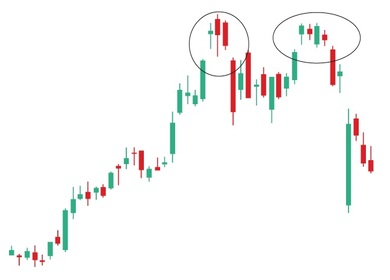
- Candlestick patterns
- RSI and MACD
- Bollinger Bands
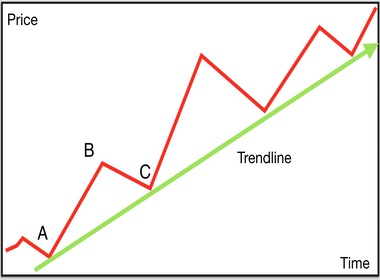
- Trendlines and moving averages
Example Setups
- Bullish piercing pattern on EUR/INR
- Bearish Marubozu on GBP/INR
- Breakout setups on JPY/INR
7. Risk Management in Currency Trading
- Adjust position size based on volatility
- Use stop losses
- Diversify across pairs
- Maintain margin discipline
8. Seasonality in Currency Pairs: Myth vs Reality
Statistical testing shows little evidence of strong seasonality in INR pairs. Prices often follow a random walk, so seasonal assumptions should be treated cautiously.
9. Practical Tips for Indian Currency Traders
- Start with USD/INR before moving to cross-currency pairs.
- Use margin calculators from brokers.
- Prefer liquid contracts like GBP/INR.
- Track RBI, central bank meetings, and news.
- Backtest all strategies before deploying.
10. Conclusion
Trading EUR/INR, GBP/INR, and JPY/INR contracts in India offers access to global forex exposure within the domestic framework. Each pair brings unique trading characteristics. With sound risk management and awareness of global trends, traders can effectively diversify beyond USD/INR.