How the Index can be used in real life
|
Table of Contents : The Index of Stock Markets 1. The Index of Stock Markets Overview 2. How the Index can be used in real life |
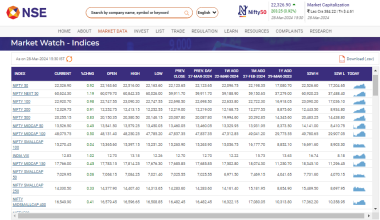
Indices are used to gauge the overall direction and performance of the market or specific segments of the market. Some of the practical or real life uses of Index are discussed below.
Sentiment and Trend Information:
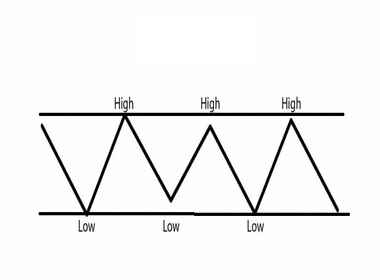
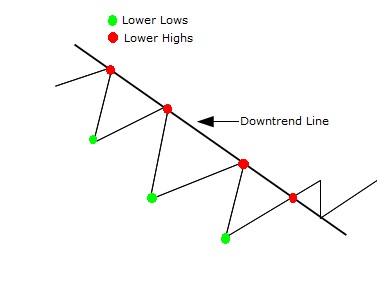
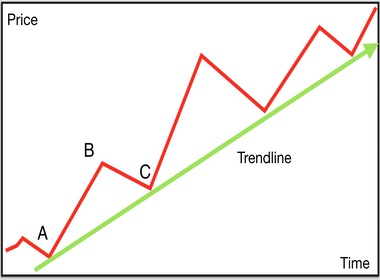
The index shows how people feel about the market as a whole and what the general trend is. Overall, the index shows how the country's business is doing. Individuals are more positive about the future when the stock market measure is going up. Similarly, when the stock market rate is down, people are also pessimistic about the future.Benchmarking:
When people trade or spend, they need a way to measure how well their investments are doing. Let's say that you put Rs.200,000/- last year and got a return of Rs.20,000/-, making your total corpus Rs.220,000/-. What do you think about how you did? At first glance, a 20% return seems great. But what if Nifty went up to 30% in the same year? All of a sudden, it may look like you haven't done well in the market! Most of the time, people in the market want to do better than the Index. Now, you can't tell how well you did in the stock market without the Index. To compare the results, it would be best to have the index.Portfolio Hedging:
Most investors put together a group of stocks called a portfolio. Most people hold on to 15 to 20 investments for a long time. Even though the stocks are kept for the long term, they could see the market going down for a long time (like in 2008), which could cause the portfolio's capital to decrease. With this in mind, investors can use the index to protect their wealth. This subject will be covered in a futures trading lesson.Trading :
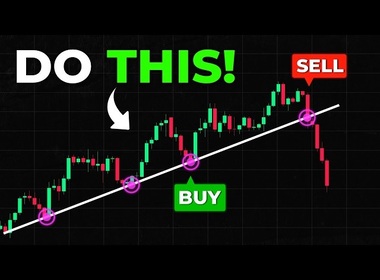
One of the most common ways people use the index is to trade on it. The index is what most buyers in the market trade. They make a trade based on a bigger opinion about the business or the state of things in general. A short-term call on the index is what the investor does most of the time. Take this case as an example. The Finance Minister is set to give the budget speech at 10:30 AM. The Nifty index is at 22,150 points an hour before the news comes out. You think the budget will be good for the business of the country. What do you think will happen with the index? The score will, of course, go up. If you want to sell your view, you might want to buy the index at 22,150. The index, after all, shows what the business as a whole is like. So the budget is good, as you thought it would be, and the index goes up to 22,450. Now that you've made 300 points, you can cash out and leave the trade. The part of the markets called "Derivative" is where these kinds of trades can happen. It may be too early to talk about derivatives yet, but for now keep in mind that you can trade stocks through the derivative markets.